Holiday Homes in Spain — Fincas, Cortijos and Medieval Castles
From sun-drenched Andalusian cortijos to abandoned Galician villages — your complete guide to buying a holiday home in Spain.
Why Buy a Holiday Home in Spain?
Spain is the third most popular country in the world for international property buyers, and its appeal extends far beyond the well-known costas. Inland Spain offers vast, sparsely populated landscapes dotted with medieval villages, grand fincas, and even entire abandoned hamlets — all at prices that surprise buyers accustomed to northern European markets.
Climate. Spain enjoys over 3,000 hours of sunshine per year, making it one of Europe's sunniest countries. The southern and eastern coasts are warm year-round, while the interior (meseta) has hot summers and crisp winters. The northern coast (Galicia, Asturias, Cantabria) has a greener, Atlantic climate similar to northern Portugal or Brittany. This climatic diversity means Spain offers holiday homes for every taste — from year-round beach living to mountain retreats with genuine winter seasons.
Value for money. While coastal Spain's property boom is well-documented, rural inland Spain remains one of Europe's most affordable property markets. In regions like Extremadura, Castilla-La Mancha, inland Aragon, and rural Galicia, large stone farmhouses and village houses are available for EUR 30,000-100,000. Even in popular Andalusia, properties in the mountainous interior (Alpujarras, Sierra de Cazorla) sell for a fraction of coastal prices.
Lifestyle. Spanish culture revolves around family, food, and fiesta. The daily rhythm — late lunches, afternoon siestas, evening tapas — is inherently relaxed. Spain's gastronomy is world-class and remarkably affordable, from the txakoli bars of the Basque Country to the chiringuitos of Andalusia. Healthcare is excellent and significantly cheaper than in the UK or northern Europe.
Accessibility. Spain has over 40 airports, many served by low-cost carriers. Almost no part of Spain is more than two hours from an airport. High-speed AVE trains connect Madrid to Seville (2h 30min), Barcelona (2h 30min), Malaga (2h 30min), and Valencia (1h 40min). Spain is also easily reachable by car from France via excellent motorways.
Abandoned Villages for Sale (Pueblos Abandonados)
One of Spain's most unique property opportunities is the chance to buy an entire abandoned village. Rural depopulation — Spain's so-called "Espana Vaciada" (Emptied Spain) — has left thousands of villages and hamlets deserted, particularly in the northern and interior regions.
What you get: A typical pueblo abandonado consists of 5-15 stone buildings (houses, barns, a church or chapel, sometimes a school) with 5-50 hectares of surrounding land. Most are in picturesque mountain or valley settings with springs, rivers, or woodland. The buildings are usually in a state of ruin or severe disrepair, with roofs collapsed and interiors exposed.
Prices: Abandoned villages in Spain typically sell for EUR 50,000-500,000 depending on the number of buildings, total land area, accessibility, and location. A small hamlet of 3-5 buildings with 10 hectares in inland Galicia might sell for EUR 60,000-120,000. Larger villages in more accessible locations (Aragon Pyrenees, Asturias) can reach EUR 200,000-500,000.
What to look out for: Ownership can be fragmented among dozens of heirs who may not even know they own a share. Access roads may be unpaved or seasonal. Utilities (electricity, water, sewage) may not be connected and bringing them to a remote location can cost EUR 10,000-50,000+. Planning permissions for renovation can be complex, especially if any buildings have heritage protections. Always engage a local lawyer (abogado) who specialises in rural property before committing.
Successful conversions: Several abandoned villages have been successfully converted into rural tourism complexes, eco-retreats, artist residences, and multi-family holiday compounds. The Spanish government and some regional governments offer grants and tax incentives for repopulating abandoned rural areas (ayudas para la Espana vaciada), though these programs change frequently.
Best Regions for Holiday Homes in Spain
Andalusia
Andalusia is Spain's most iconic region — home to flamenco, sherry, white villages (pueblos blancos), and the Alhambra. For holiday home buyers, the real opportunities lie inland: the Alpujarras mountains south of Granada, the olive-clad hills of Jaen, the Sierra de Cazorla natural park, and the rolling countryside around Ronda. Coastal areas (Costa del Sol, Costa de la Luz) are more developed but still offer value compared to northern Europe.
Typical prices: EUR 50,000-200,000 inland for renovated cortijos and village houses. Coastal properties EUR 150,000-500,000+. Pros: Year-round sunshine (3,000+ hours), rich culture, Malaga and Seville airports, strong rental demand. Cons: Intense summer heat inland (40 degrees C+), water scarcity issues, some areas over-developed on coast.
Catalonia
Beyond Barcelona and the Costa Brava, Catalonia offers beautiful inland options. The pre-Pyrenean foothills, the Emporda wine region, and the volcanic Garrotxa natural park all have distinctive stone masias (farmhouses) at reasonable prices. The Priorat wine region and Terra Alta offer excellent value with stunning scenery.
Typical prices: EUR 100,000-350,000 for an inland masia; renovation projects from EUR 60,000. Pros: Barcelona airport hub, diverse landscape (coast to Pyrenees), excellent food and wine, strong cultural identity. Cons: Higher ITP (10%), language considerations (Catalan dominant locally), higher prices near coast.
Aragon
Aragon, straddling the Pyrenees and the Ebro valley, is one of Spain's most underrated regions for holiday home buyers. The Aragonese Pyrenees offer spectacular mountain scenery, ski resorts, and medieval villages built from golden stone. The Maestrazgo area in southern Aragon has dramatic gorge landscapes and some of Spain's most photogenic villages (Albarracin, Valderrobres).
Typical prices: EUR 40,000-180,000. Mountain village houses from EUR 25,000-80,000. Pros: Spectacular mountains, very affordable, authentic Spanish life, ski access. Cons: Cold winters at altitude, limited air connections (Zaragoza airport is small), remote.
Castile (Castilla y Leon and Castilla-La Mancha)
The vast central plateau of Spain offers the country's most affordable property alongside some of its most impressive architecture. Castilla y Leon has medieval cities (Salamanca, Segovia, Burgos, Leon) and wine regions (Ribera del Duero, Rueda). Castilla-La Mancha — Don Quixote country — has sweeping landscapes, windmills, and some of Spain's cheapest rural property.
Typical prices: EUR 25,000-150,000. Large village houses from EUR 15,000-50,000 in La Mancha. Pros: Incredible value, impressive historic cities, wine regions, genuine emptiness and space. Cons: Extreme continental climate (hot summers, cold winters), isolated, limited tourism infrastructure.
Galicia
Spain's green northwest corner is culturally and climatically distinct — more Celtic than Mediterranean. Galicia offers lush green valleys, dramatic Atlantic coastline (Rias Baixas), granite pazos (manor houses), and some of Europe's best seafood. The Camino de Santiago passes through, bringing cultural tourism. Property prices are among Spain's lowest.
Typical prices: EUR 30,000-150,000 for a stone farmhouse or pazo needing work. Renovated properties EUR 80,000-250,000. Pros: Very affordable, stunning coastline, excellent seafood and Albarino wine, green year-round. Cons: Rainy climate (similar to Ireland), cooler temperatures, language (Galego spoken locally), remote from UK airports.
Extremadura
Spain's westernmost region, bordering Portugal, is one of Europe's least populated areas. Extremadura has vast cork oak forests (dehesas), medieval towns (Caceres, Trujillo, Merida), and an abundance of wildlife (cranes, vultures, Iberian lynx). Property here is exceptionally affordable, and the region is becoming known for rural tourism and sustainable agriculture.
Typical prices: EUR 25,000-120,000 for a village house or rural finca. Pros: Spain's cheapest region, outstanding nature, impressive medieval towns, warm climate. Cons: Very remote, limited airports (Madrid 2-3 hours), extreme summer heat, limited English spoken.
Property Types in Spain
Cortijo
A cortijo is a traditional Andalusian farmstead — a group of whitewashed buildings arranged around a central courtyard (patio), typically including the main house, workers' quarters, stables, and storage buildings. Cortijos are found across southern Spain, particularly in the provinces of Granada, Jaen, Cordoba, and Seville. They range from modest to grand and are ideal for multi-family use or rural tourism projects.
Typical price range: EUR 80,000-500,000. Ruined cortijos for total renovation from EUR 30,000-80,000.
Finca
Finca is a broad term for any rural property with land in Spain. A finca rustica is agricultural land (with or without buildings), while a finca urbana is a built property within a town. In common usage, a finca typically refers to a country house with land — ranging from a small cottage with a hectare to a large estate with hundreds of hectares of olive groves, vineyards, or cork oaks.
Typical price range: EUR 50,000-1,000,000+ depending enormously on size, land, location, and condition.
Masia
A masia is the traditional stone farmhouse of Catalonia, Valencia, and Aragon. Built from local stone with terracotta roofs, masias are typically large, solidly built structures dating from the 14th-18th centuries. They often include attached barns, a threshing floor (era), and extensive land. Masias are prized for their architectural character and are frequently converted into rural tourism accommodation.
Typical price range: EUR 100,000-600,000. Unrenovated masias in remote locations from EUR 40,000-100,000.
Pazo
A pazo is a Galician manor house, typically built from granite with a coat of arms (escudo) above the entrance, formal gardens, a horreo (traditional granary), and a chapel. Pazos are the equivalent of French chateaux or English manor houses — seats of the Galician rural aristocracy. They range from modest 4-bedroom houses to grand estates with 10+ bedrooms and parkland.
Typical price range: EUR 100,000-1,500,000. Smaller pazos needing renovation from EUR 80,000-200,000.
Castillo (Castle)
Spain has more castles than any other country in Europe — the very name Castilla derives from "land of castles." Spanish castillos range from ruined Moorish alcazabas to intact medieval fortresses with keeps, towers, and curtain walls. Most are in private hands in regions like Castilla y Leon, Aragon, and Extremadura. Buying a Spanish castle often involves heritage obligations and significant restoration costs.
Typical price range: EUR 200,000-5,000,000+. Ruined castles in remote locations from EUR 100,000-300,000.
How to Buy Property in Spain
The Spanish property buying process is relatively straightforward but requires careful legal guidance, particularly for rural and older properties where documentation may be incomplete.
Step 1: Obtain an NIE (Numero de Identidad de Extranjero). This foreigner identification number is essential for any financial transaction in Spain, including property purchases, opening bank accounts, and paying taxes. Apply at a Spanish consulate abroad or in person in Spain. Processing takes a few days to 2-3 weeks.
Step 2: Engage a lawyer (abogado). Unlike France (where the notaire acts for both parties), in Spain the notary (notario) is a neutral public official who certifies documents but does not conduct due diligence on the buyer's behalf. It is strongly recommended — and in practice essential — to hire an independent Spanish property lawyer who will check the title, planning status, debts, and legal situation of the property.
Step 3: Sign the contrato de arras (reservation contract). Once you agree on a price, you sign a preliminary contract and pay a deposit, typically 10% of the purchase price. The most common form is arras penitenciales: if the buyer withdraws, they lose the deposit; if the seller withdraws, they must return double the deposit. This provides security for both parties.
Step 4: Due diligence. Your lawyer checks the Registro de la Propiedad (Land Registry) for clean title and any charges (hipotecas, embargos). They also verify the Catastro (cadastral records) to ensure the physical property matches official records — discrepancies are common with older rural properties. Planning (urbanismo) checks confirm the property is legally built and has no outstanding infractions.
Step 5: Sign the escritura publica (public deed). The final sale takes place at the notario's office. The buyer pays the remaining balance, and the notario certifies the deed. The deed is then registered at the Registro de la Propiedad, completing the transfer of ownership. This step typically occurs 1-3 months after signing the arras.
Fees Breakdown
- ITP (Impuesto de Transmisiones Patrimoniales): 6-10% of the purchase price, depending on the autonomous community. This is the main transfer tax on resale properties.
- Notario fees: EUR 600-1,200 depending on the purchase price. Set by a regulated scale.
- Registro de la Propiedad (Land Registry): EUR 400-700 for registration.
- Lawyer (abogado) fees: typically 1-1.5% of the purchase price, with a minimum of EUR 1,500-2,000.
- Estate agent fees: usually 3-5% and typically paid by the seller in Spain, but check the agreement.
- Gestoria (administrative agent): EUR 300-500 for handling tax filings and paperwork.
Tax and Ongoing Costs
IBI (Impuesto sobre Bienes Inmuebles): Spain's annual property tax, equivalent to council tax. Rates are set by each municipality and applied to the valor catastral (cadastral value), which is typically 30-50% of market value. Rates range from 0.4% to 1.1% of the cadastral value. For a holiday home with a market value of EUR 150,000, expect IBI of EUR 200-800 per year.
Non-resident income tax (IRNR — Impuesto sobre la Renta de No Residentes): Even if you do not rent your Spanish property, non-residents must pay income tax on the imputed rental value. This is calculated as 1.1% or 2% of the cadastral value, taxed at 19% for EU/EEA residents or 24% for non-EU residents. For a property with a cadastral value of EUR 60,000, an EU resident would pay approximately EUR 125 per year. If you rent the property, you are taxed on actual rental income instead.
Plusvalia (Impuesto sobre el Incremento de Valor de los Terrenos de Naturaleza Urbana): This municipal tax is levied when you sell a property, based on the increase in land value during your period of ownership. It is calculated by the municipality and can range from a few hundred to several thousand euros. Following a 2021 Constitutional Court ruling, plusvalia is no longer charged when a property is sold at a loss.
Wealth tax (Impuesto sobre el Patrimonio): Spain levies a wealth tax on net assets above EUR 700,000 per person (with variations by region). Non-residents are only taxed on Spanish assets. The tax-free threshold for property is EUR 700,000, with rates from 0.2% to 3.5% on the excess. Some regions (Madrid) have effectively abolished it, while others (Catalonia, Andalusia) apply it fully or have implemented a solidarity tax for very high net worth.
Available Properties in Spain
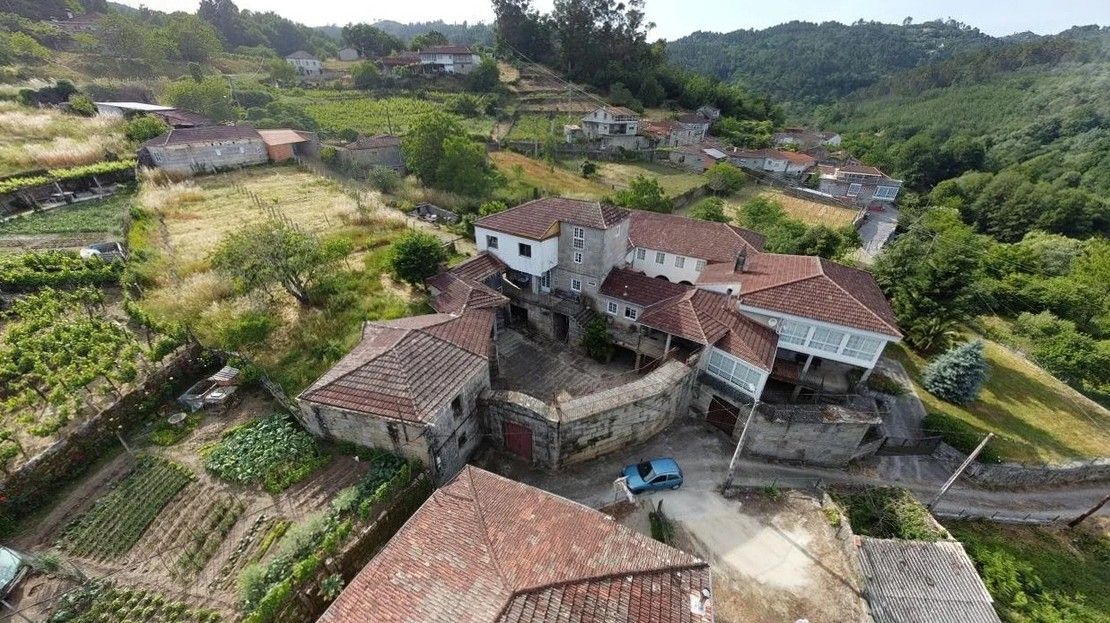
Pazo 19e Eeuw in O Ribeiro Wijnstreek - Toren, Houten Galerijen, Wijnmakerij
Carballeda de Avia · Galicia · Spain
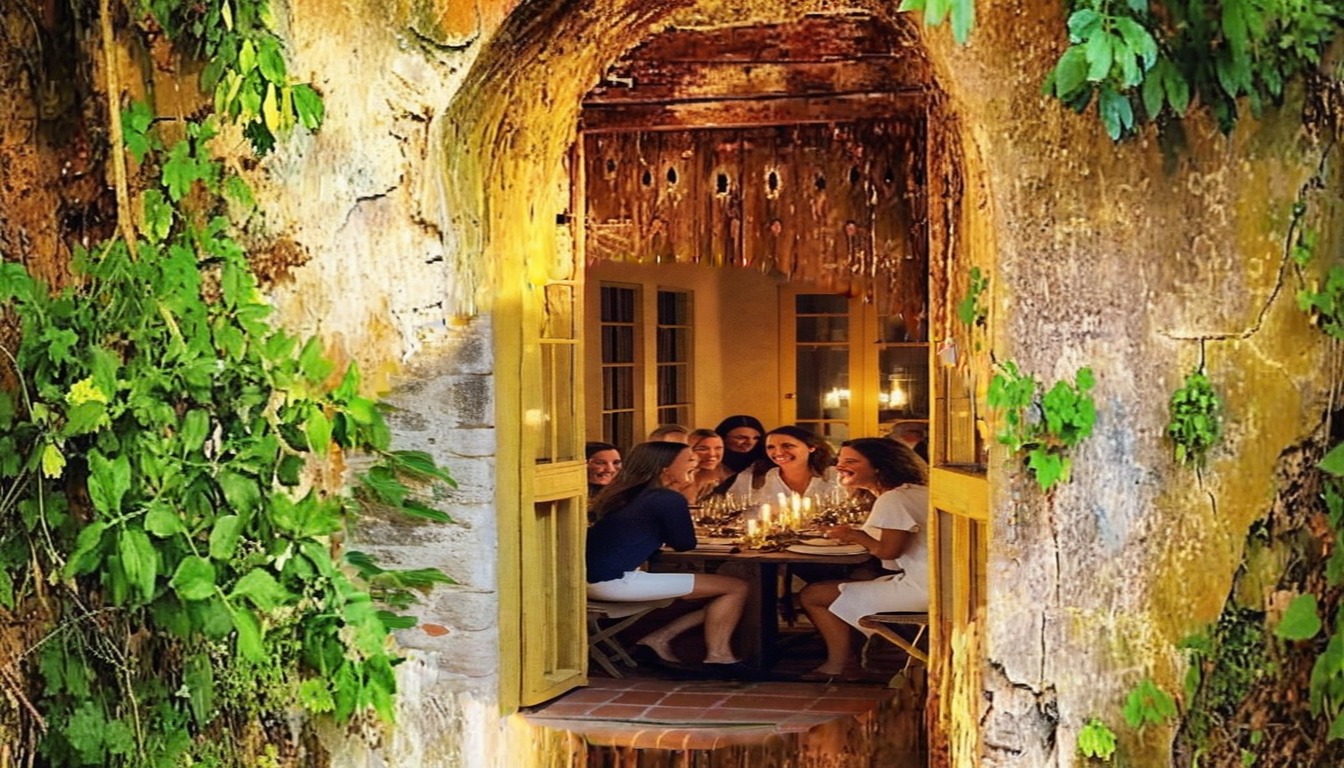
Historisch Pand uit 1860 met 13 Kamers in Vejer de la Frontera
Vejer de la Frontera, Cádiz · Andalusië · Spain
Browse our full collection of holiday homes in Spain for the latest listings including fincas, cortijos, masias, and castillos across all regions.
Frequently Asked Questions About Buying in Spain
Yes, entire abandoned villages (pueblos abandonados) are regularly offered for sale in Spain, particularly in regions like Galicia, Asturias, Aragon, and Castile. Prices range from EUR 50,000 to EUR 500,000+ depending on the number of buildings, land area, and condition. Most abandoned villages consist of 5-15 stone buildings, often with 5-50 hectares of land. They typically require significant renovation investment. Some have been successfully converted into rural hotels, eco-villages, or multi-family holiday compounds. The legal process can be complex as ownership may be fragmented among multiple heirs.
An NIE (Numero de Identidad de Extranjero) is a foreigner identification number required for all property transactions and financial activities in Spain. You can apply at a Spanish consulate in your home country (takes 2-4 weeks) or in person at a police station (Comisaria de Policia) or foreigners office (Oficina de Extranjeros) in Spain (can be same-day or take up to 2 weeks). You need your passport, a completed EX-15 form, and proof of why you need the NIE (such as a property purchase intent letter). Many buyers appoint a Spanish lawyer to obtain the NIE on their behalf via power of attorney.
The Impuesto de Transmisiones Patrimoniales (ITP) varies by autonomous community and ranges from 6% to 10% of the purchase price. Catalonia charges 10%, Andalusia 7%, Valencia 10%, Aragon 8%, Galicia 8%, and Castile-La Mancha 9%. Some regions offer reduced rates for young buyers, rural properties, or properties below certain price thresholds. New-build properties are subject to IVA (VAT) at 10% instead of ITP, plus AJD (stamp duty) at 0.5-1.5% depending on the region.
No. Title issues are more common in rural Spain than in most European countries. Always verify that the property is properly registered in the Registro de la Propiedad (Land Registry) and that the cadastral records (Catastro) match the registry records. Discrepancies between the two are common, especially for older rural properties. Your lawyer should also check for any urbanism infractions — illegal extensions or builds without permits are widespread in rural areas and can result in demolition orders or fines. Never buy without a thorough legal check by an independent Spanish property lawyer (abogado).
Annual costs include IBI (Impuesto sobre Bienes Inmuebles, the Spanish property tax) typically EUR 200-1,500 per year, basura (rubbish collection tax) of EUR 50-200, and imputed income tax (Impuesto sobre la Renta de No Residentes) charged on the deemed rental value even if you do not rent the property — calculated as 1.1% or 2% of the cadastral value taxed at 19% for EU residents or 24% for non-EU residents. If you rent the property, actual rental income is taxed instead. Community fees (comunidad) apply if your property is in a shared development.