Holiday Homes in Italy — Castles, Villas and 1-Euro Houses
From Tuscan farmhouses to Sicilian palazzi — your complete guide to buying a holiday home in Italy, including the famous 1-euro house program.
Why Buy a Holiday Home in Italy?
Italy has been capturing the hearts of holiday home buyers for centuries, and the appeal shows no sign of fading. The combination of extraordinary cultural heritage, unrivalled cuisine, diverse landscapes, and surprisingly affordable rural property makes Italy one of the most compelling destinations for a second home in Europe.
Lifestyle and culture. Italy is home to 59 UNESCO World Heritage Sites — more than any other country in the world. Beyond the famous cities, rural Italy offers a way of life centred around family, food, and community. Local sagre (food festivals), weekly markets, and the evening passeggiata create a social rhythm that holiday home owners quickly come to cherish. The Italian philosophy of la dolce vita is not just a cliche — it is a lived reality in thousands of small towns and villages.
Climate. Italy's climate ranges from Alpine in the north to Mediterranean in the south. Central regions like Tuscany and Umbria enjoy warm, dry summers (28-34 degrees C) and mild winters. Southern Italy and the islands (Sicily, Sardinia) have long, hot summers and very mild winters, with temperatures rarely dropping below 10 degrees C even in January. This makes Italian holiday homes usable for much of the year.
Value for money. While northern Italy and prime Tuscan locations command high prices, large parts of Italy remain remarkably affordable. In regions like Abruzzo, Molise, inland Calabria, and parts of Sicily, habitable village houses can be found for EUR 30,000-80,000. The 1-euro house program has attracted global attention, though the real bargains are often the conventionally priced properties in these same areas.
Accessibility. Italy has over 30 airports served by low-cost carriers, making virtually every region accessible by air. Rome and Milan are major international hubs, and regional airports like Pisa, Bologna, Bari, Catania, and Olbia serve holiday destinations directly. Italy's high-speed rail network (Frecciarossa and Italo) connects major cities efficiently.
The 1-Euro House Program
Italy's case a 1 euro program has made international headlines and attracted tens of thousands of enquiries from would-be buyers worldwide. The program was created to combat depopulation in small towns and villages, primarily in southern and central Italy.
How it works: Municipalities acquire abandoned properties from owners who no longer want the maintenance burden. These properties are then offered for sale at a symbolic price of EUR 1. Buyers must commit to a renovation plan, typically with a minimum spend of EUR 15,000-25,000, and complete the work within 1-3 years. A performance bond (fidejussione) of EUR 1,000-5,000 is lodged at purchase and returned upon completion of renovations.
True costs: While the purchase price is EUR 1, the total investment is considerably more. Expect to spend EUR 20,000-80,000 on renovation depending on the property size (most are 50-120 m2). Add notary fees of EUR 2,000-3,000, cadastral taxes, architect fees for the renovation plan (EUR 2,000-5,000), and ongoing project management costs. A realistic all-in budget for a completed 1-euro house is EUR 30,000-100,000.
Where to find them: Towns offering 1-euro houses include Mussomeli (Sicily), Sambuca di Sicilia, Zungoli (Campania), Maenza (Lazio), Bisaccia (Campania), and Pratola Peligna (Abruzzo), among many others. New towns join the scheme regularly. For a detailed list and application guidance, see our complete guide to 1-euro houses in Italy.
Is it worth it? For buyers who enjoy renovation projects, are comfortable managing contractors remotely (or are willing to spend extended periods on-site), and are genuinely interested in living in a small Italian town, the program can deliver a remarkable holiday home at a fraction of conventional prices. However, it is not a shortcut — the process requires patience, flexibility, and realistic budgeting.
Best Regions for Holiday Homes in Italy
Tuscany
Tuscany is Italy's most famous holiday home region. The rolling hills, cypress-lined roads, medieval hilltop towns, and world-class wine (Chianti, Brunello di Montalcino, Vino Nobile) have attracted international buyers for decades. The Chianti area between Florence and Siena is the most expensive, but the southern Maremma, Val d'Orcia, and Lunigiana offer better value.
Typical prices: EUR 200,000-600,000 for a renovated farmhouse (casale). Prime Chianti locations EUR 500,000-2,000,000+. Southern Tuscany and Lunigiana from EUR 100,000-250,000. Pros: Iconic landscape, excellent infrastructure, Florence and Pisa airports. Cons: Expensive in prime areas, touristy in summer, can feel like a British/American enclave in parts.
Umbria
Known as the "green heart of Italy," Umbria offers a similar landscape to Tuscany at lower prices. The region is centred around Perugia and Orvieto, with medieval towns like Spoleto, Todi, and Gubbio. Umbrian cuisine is exceptional (truffles, wild boar, olive oil), and the pace of life is even slower than Tuscany.
Typical prices: EUR 100,000-400,000 for a restored farmhouse. Pros: Lower prices than Tuscany, authentic Italian atmosphere, excellent food. Cons: Landlocked (no coast), fewer direct flights, earthquake risk in some areas.
Le Marche
Le Marche is Italy's best-kept secret for holiday home buyers. This Adriatic region offers mountains, rolling farmland, and a beautiful coastline — often called "the new Tuscany" but at a significant discount. Towns like Urbino, Ascoli Piceno, and Fermo are architectural gems. The region is less discovered by international buyers, which keeps prices low and the atmosphere authentic.
Typical prices: EUR 60,000-200,000 for a rural property. Pros: Excellent value, diverse landscape (coast to mountains), genuine Italian life. Cons: Less well-connected by air, earthquake zone (central areas), steeper learning curve for non-Italian speakers.
Liguria
The Italian Riviera offers colourful coastal villages (Cinque Terre, Portofino), a mild year-round climate, and proximity to both the French Riviera and Milan. Properties here tend to be smaller (apartments, village houses) but benefit from exceptional locations. The Riviera di Ponente (west) is generally more affordable than the Riviera di Levante (east).
Typical prices: EUR 150,000-400,000 for a village house; coastal apartments from EUR 100,000. Pros: Stunning coastline, mild winters, close to Nice and Genoa airports. Cons: Limited space (steep terrain), high prices near Portofino, parking challenges.
Abruzzo
Abruzzo, on Italy's Adriatic side, is one of the most affordable regions with genuine year-round appeal. It offers beaches, national parks with wolves and bears, ski resorts, and medieval hilltop villages — often all within an hour's drive. The region has seen growing interest from international buyers seeking value.
Typical prices: EUR 30,000-150,000. Village houses from EUR 20,000-60,000. Pros: Very affordable, mountains and coast, Rome Fiumicino 90 minutes by car, friendly locals. Cons: Earthquake risk, limited English spoken, some areas feel depopulated.
Sicily
Italy's largest island offers an extraordinary mix of Greek temples, Norman castles, Baroque cities, active volcanoes, and some of the best food in the Mediterranean. The interior is dotted with hilltop towns where properties are extremely cheap. Coastal areas near Taormina, Syracuse, and Cefalu command higher prices but remain affordable by European standards.
Typical prices: EUR 20,000-100,000 in the interior; EUR 100,000-350,000 near the coast or in Baroque towns. Pros: Incredible culture and food, very affordable, hot climate, Catania and Palermo airports. Cons: Remote from mainland, bureaucracy can be slower, infrastructure less developed in interior.
Sardinia
Sardinia's crystal-clear waters, wild interior, and unique nuragic culture set it apart from mainland Italy. While the Costa Smeralda is one of the world's most exclusive destinations, the rest of the island offers excellent value. The Gallura region (northeast), Barbagia (interior), and the south coast around Chia all have character and affordability.
Typical prices: EUR 80,000-300,000 outside Costa Smeralda; interior villages from EUR 40,000. Pros: Stunning beaches, unique culture, good air connections (Olbia, Cagliari, Alghero). Cons: Island logistics, car essential, limited winter appeal outside towns.
Property Types in Italy
Castello (Castle)
Italian castles range from medieval fortresses with towers and battlements to Renaissance-era fortified manor houses. Many are found in the hills of Tuscany, Umbria, Piedmont, and Emilia-Romagna. Some are protected by the Soprintendenza (heritage authority) and come with renovation restrictions but also potential tax benefits.
Typical price range: EUR 500,000-10,000,000+. Smaller castelli in less fashionable regions from EUR 300,000-800,000.
Palazzo
A palazzo is an urban or semi-urban noble residence, typically a grand townhouse with imposing facades, frescoed ceilings, and internal courtyards. Palazzi are found in cities and towns throughout Italy and often offer enormous living space (500-2,000+ m2). Partial palazzi (single floors) are sometimes available at more accessible prices.
Typical price range: EUR 200,000-3,000,000+ for a whole palazzo; floor apartments from EUR 80,000-400,000.
Casale (Farmhouse)
The casale is the quintessential Italian rural property — a stone farmhouse, typically dating from the 17th-19th centuries, set among olive groves, vineyards, or wheat fields. Casali are the most popular property type among holiday home buyers in Tuscany, Umbria, and Le Marche. They usually come with land (1-10+ hectares) and outbuildings suitable for conversion.
Typical price range: EUR 100,000-600,000 depending on region and condition.
Trullo
Unique to Puglia (Apulia), trulli are distinctive whitewashed stone buildings with conical grey roofs. The town of Alberobello is a UNESCO World Heritage Site for its concentration of trulli. Individual trulli are typically small (40-80 m2) but groups (trulli complex) can offer substantial living space. They are iconic and highly photogenic.
Typical price range: EUR 60,000-250,000 for a single or small group of trulli; large restored complexes EUR 300,000-800,000.
Masseria
A masseria is a fortified farmstead found across Puglia and Basilicata, typically built around a central courtyard. Originally working farms, many masserias have been converted into luxury boutique hotels. Unconverted masserias offer large-scale renovation projects with significant potential for holiday rental income.
Typical price range: EUR 150,000-500,000 for unconverted; EUR 500,000-2,000,000+ for restored luxury masserias.
Casa a 1 Euro
These are abandoned village houses offered through municipal 1-euro programs. Typically stone-built properties of 50-150 m2 in hilltop villages across southern and central Italy. They require full renovation but offer the chance to own an Italian home at minimal purchase cost. See our 1-Euro House section above for full details.
Purchase price: EUR 1. Realistic total cost after renovation: EUR 30,000-100,000.
How to Buy Property in Italy
The Italian property buying process is straightforward once you understand the steps. Here is the standard procedure:
Step 1: Obtain a codice fiscale. This Italian tax identification number is required for all property transactions. It can be obtained free of charge at an Italian consulate or at the Agenzia delle Entrate in Italy. Apply early — you need it before making an offer.
Step 2: Make an offer (proposta d'acquisto). You submit a written offer, usually through the estate agent (agente immobiliare). If accepted, you typically pay a small deposit (caparra confirmatoria) of EUR 2,000-5,000 to confirm your serious intent.
Step 3: Sign the compromesso (preliminary contract). Also called the contratto preliminare, this is the binding preliminary agreement signed by both parties. The buyer pays a deposit of 10-30% of the purchase price. If the buyer withdraws, they lose the deposit; if the seller withdraws, they must return double the deposit. The compromesso should be registered at the Agenzia delle Entrate within 20 days.
Step 4: Due diligence period. Between the compromesso and final deed, your notary (notaio) conducts searches on the property title, planning permissions, cadastral records, and any outstanding debts or mortgages. This period typically lasts 60-90 days.
Step 5: Sign the rogito (final deed). The rogito is signed at the notary's office. The buyer pays the remaining balance and all taxes and fees. The notary reads the entire deed aloud in Italian (a legal requirement), registers the transfer, and the property is yours.
Fees Breakdown
- Imposta di registro (registration tax): 9% of the cadastral value for second homes (residenze secondarie). If you register the property as your primary residence (prima casa) — which requires residing in the municipality within 18 months — the rate drops to 2%. The cadastral value is typically 40-60% of the market value, so effective rates are lower.
- Notary fees (onorario notarile): EUR 2,000-5,000 depending on the purchase price and complexity.
- Estate agent fees (provvigione): typically 3-4% from each party (buyer and seller), so budget 3-4% as the buyer.
- Cadastral and mortgage taxes: EUR 50-200 in fixed fees.
- Geometra/surveyor: EUR 500-1,500 for property checks and cadastral verification.
Tax and Ongoing Costs
IMU (Imposta Municipale Unica): This is Italy's main property tax, payable on second homes. The rate is set by each municipality, typically 0.76-1.06% of the cadastral value (which is significantly lower than market value). For a property with a market value of EUR 200,000, expect IMU of EUR 600-1,500 per year. IMU is not payable on registered primary residences (unless classified as luxury — categories A1, A8, A9).
TARI (waste tax): A municipal tax covering rubbish collection and disposal. Typically EUR 100-400 per year depending on property size and municipality.
Rental income tax: If you rent your holiday home, you can opt for the cedolare secca flat-rate tax of 21% on rental income (26% for short-term lets from second properties onwards, as of 2024). This replaces the standard progressive income tax (IRPEF) for rental income and is often more advantageous.
Capital gains tax: If you sell within 5 years of purchase, the capital gain is taxed at your marginal IRPEF rate (23-43%) or at a flat substitute tax of 26%. Sales after 5 years of ownership are exempt from capital gains tax.
Available Properties in Italy
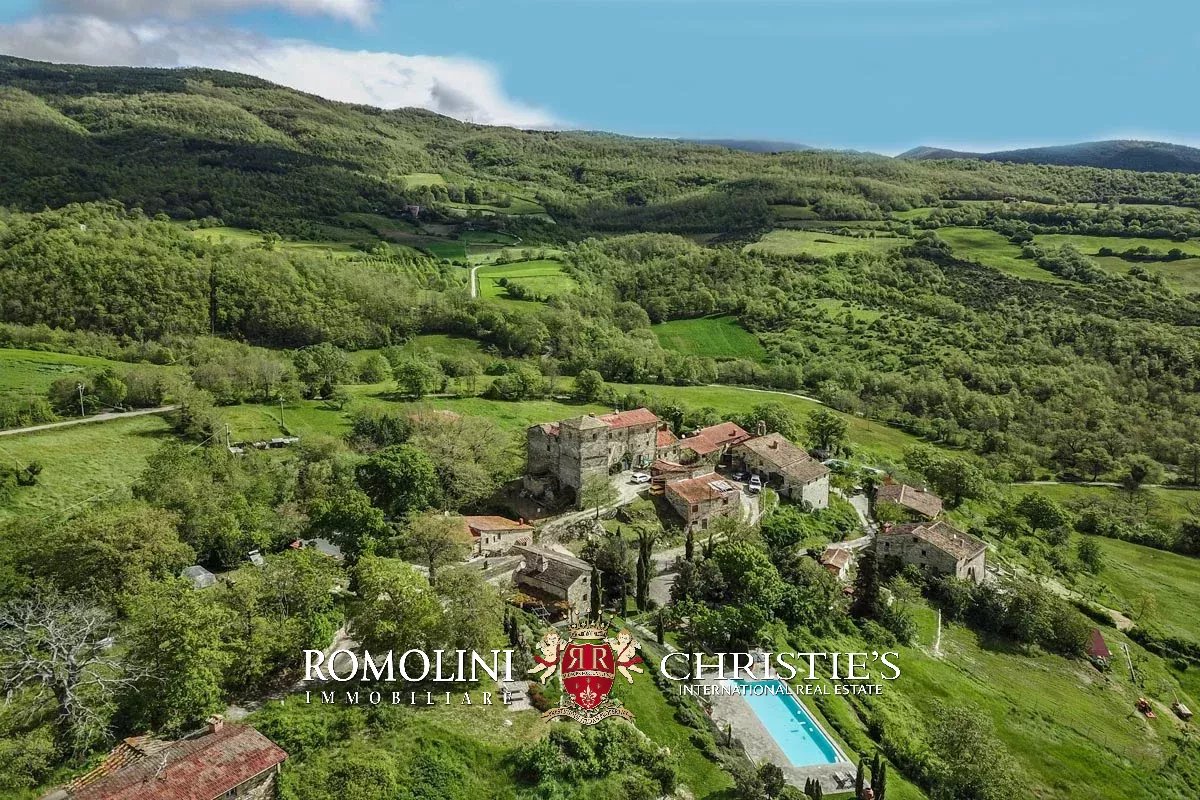
Piccolo Castello Pieve Santo Stefano - 14e-Eeuws Middeleeuws Borgo met Toren
Pieve Santo Stefano · Toscane · Italy
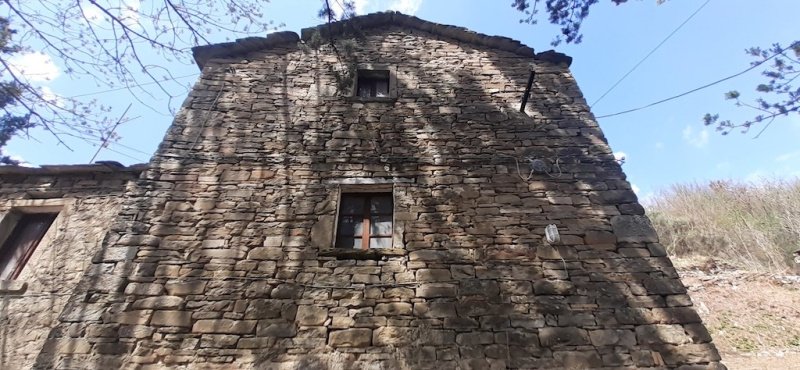
Borgo Pace Hamlet met 12e-Eeuwse Wachttoren - 3 Huizen op Bergtop
Borgo Pace · Marche · Italy
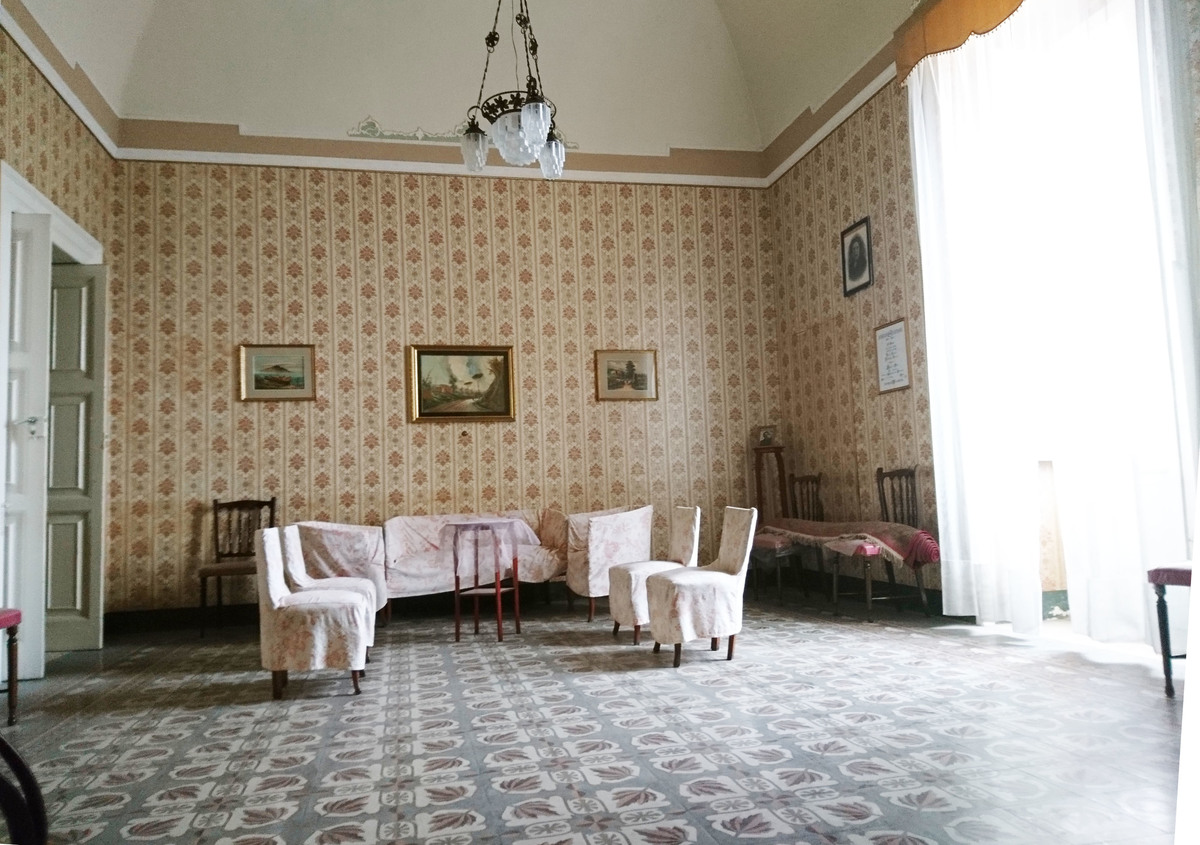
Historisch Palazzo Spinazzola met Binnenplaats en Terras - Nabij Castel del Monte
Spinazzola · Puglia · Italy
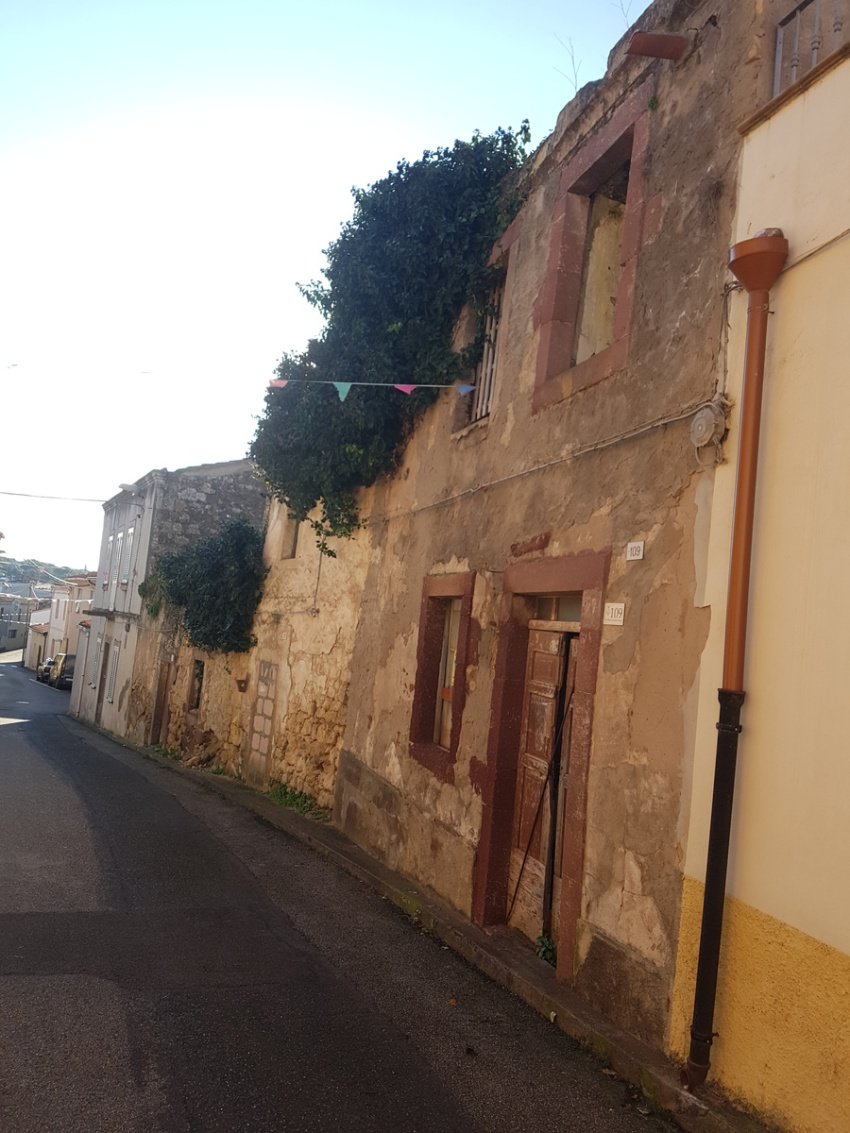
Oud Stenen Huis Magomadas - Sardinisch Dorp nabij Strand
Magomadas · Sardinië · Italy
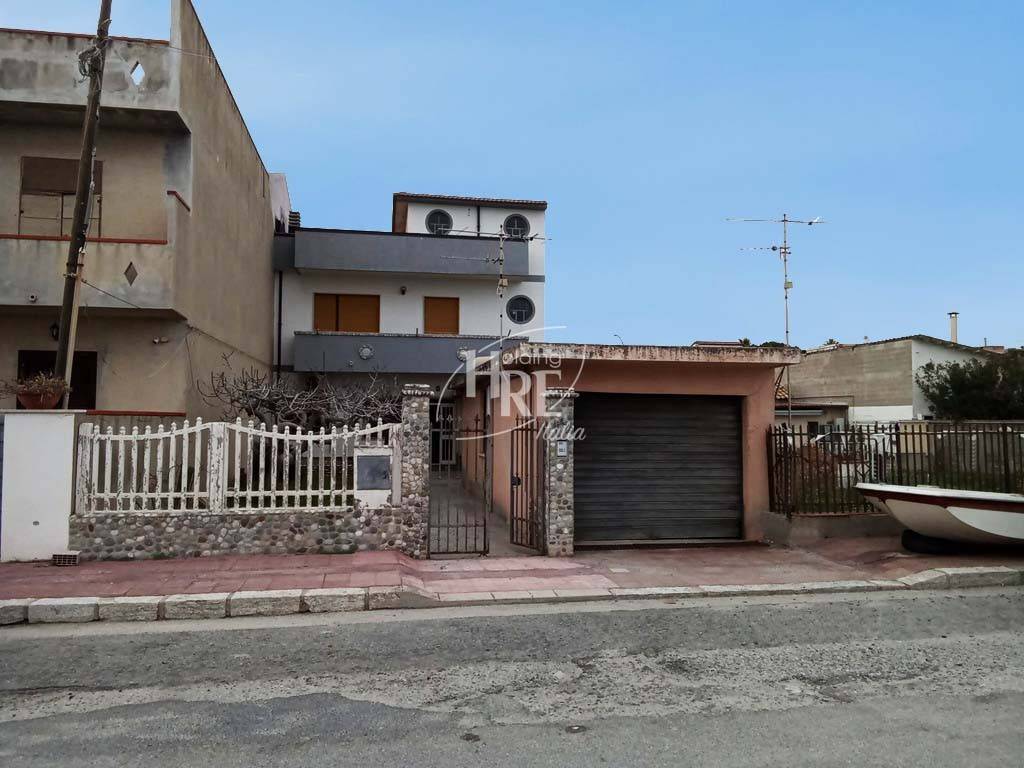
Ruime villa fronte mare met directe strandtoegang - Bovalino
Bovalino · Calabrië · Italy
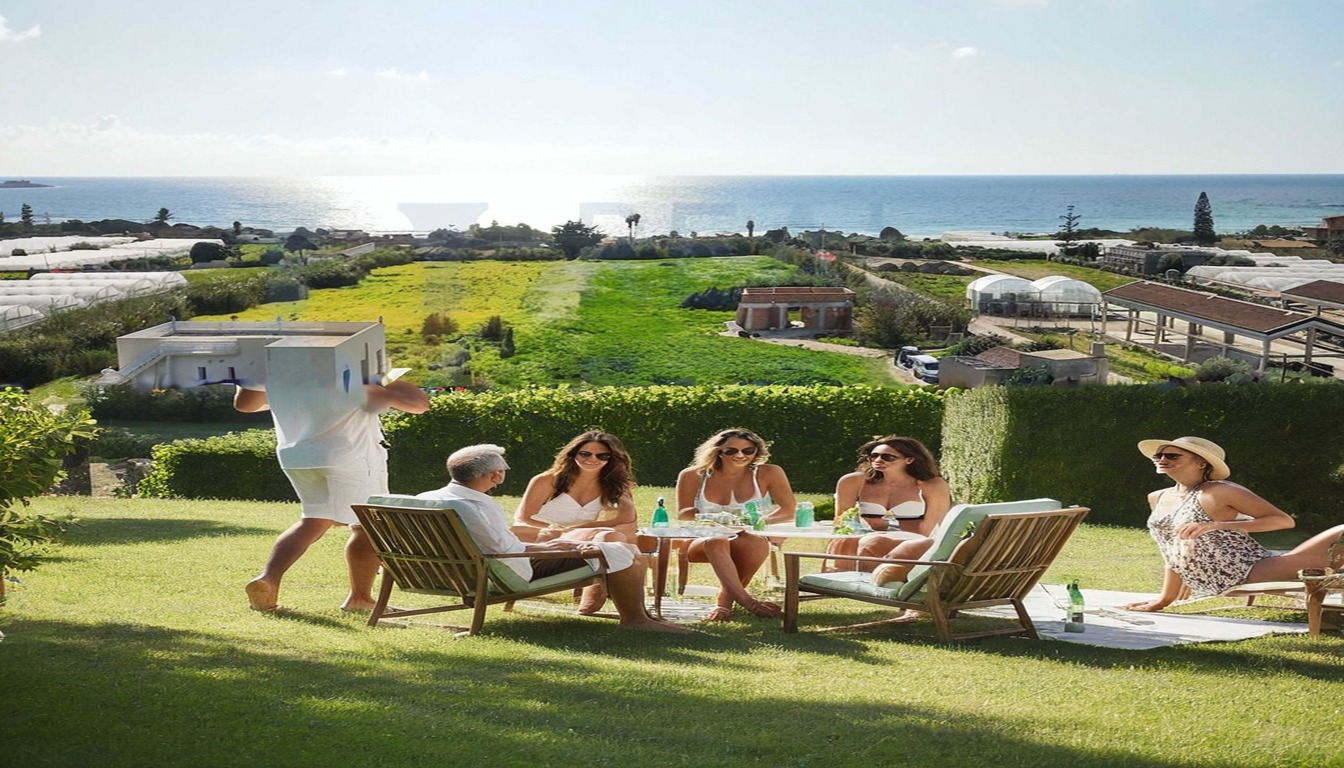
Villetta Marina Nord - Nieuwbouw bij Marzamemi met 7.500m² Grond en Zeezicht
Pachino (Marzamemi) · Sicily · Italy
Browse our full collection of holiday homes in Italy for the latest listings including castelli, casali, trulli, and village houses across all regions.
Frequently Asked Questions About Buying in Italy
The purchase price is genuinely EUR 1, but the true cost is significantly higher. Buyers must commit to renovating the property within a set timeframe (usually 1-3 years) and provide a performance guarantee (fidejussione) of EUR 1,000-5,000 that is forfeited if renovations are not completed. Renovation costs typically range from EUR 20,000-80,000 depending on the property size and condition. You also pay notary fees (around EUR 2,000-3,000), cadastral taxes, and potentially an architect for the mandatory renovation plan. All-in costs for a completed 1-euro house usually total EUR 30,000-100,000.
Yes, a codice fiscale (Italian tax identification number) is absolutely required to buy property in Italy. It is needed for the purchase contract, opening an Italian bank account, setting up utilities, and paying taxes. You can obtain one for free at any Italian consulate abroad or at the local Agenzia delle Entrate office in Italy. The process is straightforward and usually takes a few days at a consulate or can be done same-day in person in Italy.
The main annual tax on a second home in Italy is IMU (Imposta Municipale Unica), which typically amounts to 0.76-1.06% of the cadastral value. The cadastral value is significantly lower than the market value — often 40-60% less — so effective rates are lower than they appear. For a property with a market value of EUR 150,000, expect IMU of roughly EUR 500-1,200 per year. You also pay TARI (waste tax, EUR 100-400) and may owe IRPEF income tax on the deemed rental income if the property is left empty.
Yes, Italian banks do offer mortgages to non-residents, though the terms are less favourable than for residents. Non-residents can typically borrow up to 60% of the property value (versus 80% for residents), with loan terms of 15-20 years. Interest rates for non-residents are usually 0.5-1% higher than resident rates. You will need proof of income, tax returns from your home country, and a clean credit history. Some banks, such as Intesa Sanpaolo and UniCredit, have departments specialising in non-resident mortgages.
From accepted offer to receiving the keys, the Italian buying process typically takes 2-4 months. After the preliminary contract (compromesso) is signed — which usually happens 2-4 weeks after offer acceptance — there is a period of 60-90 days before the final deed (rogito) at the notary. This interval allows time for due diligence checks, mortgage arrangements, and administrative procedures. Cash buyers can sometimes complete in as little as 6-8 weeks if all documentation is in order.