Holiday Homes in France — From Chateaux to Country Farmhouses
Your complete guide to finding and buying a holiday home in France, from the rolling hills of the Dordogne to the lavender fields of Provence.
Why Buy a Holiday Home in France?
France remains the most popular destination for holiday home buyers in continental Europe, and for good reason. The country offers an unmatched combination of lifestyle, climate, cultural richness, and value for money that continues to attract buyers from the UK, Belgium, the Netherlands, and beyond.
Lifestyle and culture. France's world-renowned cuisine, wine regions, and art de vivre make it a place where holiday home owners genuinely want to spend time. The country's 36,000+ communes each have their own character, markets, and festivals. From the Sunday brocantes to the village boulangerie, daily life in rural France moves at a pace that is the very definition of a holiday.
Climate diversity. France offers remarkable climatic variety. The Mediterranean south enjoys 300+ days of sunshine per year, while the Atlantic coast offers milder summers and green landscapes year-round. Central France has a continental climate with warm summers and cold, sometimes snowy winters — perfect for those who want four distinct seasons.
Accessibility. France is exceptionally well-connected. Low-cost flights serve regional airports like Bergerac, Limoges, Carcassonne, and Rodez. The TGV high-speed rail network links Paris to most major cities in under three hours, and the extensive autoroute system makes driving from northern Europe straightforward. The Channel Tunnel puts France within reach of the UK in just 2 hours 15 minutes from London.
Value for money. While Paris and the Cote d'Azur command premium prices, vast swathes of rural France offer exceptional value. Habitable three-bedroom stone farmhouses can still be found from EUR 80,000 to EUR 150,000 in departments like Creuse, Indre, Cher, and Lot. Even in more popular areas like the Dordogne, well-maintained properties regularly sell for EUR 200,000-350,000 — a fraction of comparable prices in the UK or northern Europe.
Best Regions for Holiday Homes in France
Dordogne (Perigord)
The Dordogne is arguably France's most beloved region for holiday home buyers. Its golden stone villages, medieval castles, and rich gastronomy (foie gras, truffles, walnuts) have attracted international buyers for decades. The Dordogne river valley offers stunning scenery, and the region has a well-established expatriate community.
Typical prices: EUR 150,000-400,000 for a renovated farmhouse. Chateaux from EUR 500,000-2,000,000+. Pros: Beautiful landscapes, strong rental demand, good airports (Bergerac, Brive). Cons: Higher prices than deeper rural France, popular areas can feel touristy in peak summer.
Lot
Just south of the Dordogne, the Lot department offers similar landscapes and character at lower prices. The hilltop village of Saint-Cirq-Lapopie is regularly voted France's favourite village. The Lot river gorges, Cahors wine region, and medieval towns like Figeac and Rocamadour make this an increasingly popular alternative to the Dordogne.
Typical prices: EUR 100,000-300,000 for a renovated property. Pros: Lower prices than Dordogne, authentic French atmosphere, excellent wine. Cons: Fewer direct flights, more remote feeling.
Creuse and Limousin
The Creuse department and wider Limousin region represent some of the best value in France. This is deep, unspoiled countryside with rolling green hills, ancient granite farmhouses, and very low population density. Properties here are among the cheapest in France, making it ideal for buyers on a budget or those seeking a large renovation project.
Typical prices: EUR 30,000-120,000 for habitable properties; renovation projects from EUR 15,000. Pros: Lowest prices in France, peaceful, Limoges airport with Ryanair connections. Cons: Cold winters, limited local services, significant renovation often needed.
Auvergne
The Auvergne, centred around the dramatic volcanic landscape of the Puy-de-Dome, is one of France's hidden gems. The region offers striking scenery, excellent hiking and skiing, thermal spa towns, and a strong local food culture (Saint-Nectaire cheese, Auvergne lentils). Property prices remain very affordable.
Typical prices: EUR 60,000-200,000. Pros: Dramatic landscape, four-season appeal, affordable. Cons: Cold winters at altitude, relatively remote from airports.
Languedoc
The Languedoc coast and hinterland offer Mediterranean living without Provence price tags. The region stretching from Montpellier to Carcassonne has excellent weather, vineyards, the Canal du Midi, and Cathar castles. Inland villages offer remarkable value compared to the coast.
Typical prices: EUR 100,000-250,000 inland; EUR 200,000-500,000+ near the coast. Pros: Mediterranean climate, excellent wine, Carcassonne and Beziers airports. Cons: Summer heat can be intense, coastal areas increasingly built-up.
Poitou-Charentes
The Charente and Deux-Sevres departments offer gentle countryside, Cognac, Romanesque churches, and a slower pace of life. The climate is mild and Atlantic-influenced, and property prices are very reasonable. La Rochelle, on the coast, is one of France's most attractive cities.
Typical prices: EUR 80,000-200,000 for a renovated maison de maitre or farmhouse. Pros: Mild climate, good value, attractive market towns. Cons: Can feel flat compared to more dramatic regions.
Normandy
Normandy is the closest region to the UK and Paris, making it popular for weekend escapes. The half-timbered architecture, apple orchards, cream, cider, and Calvados, combined with D-Day beaches and Mont-Saint-Michel, give it a unique character. The Suisse Normande area offers beautiful river valleys.
Typical prices: EUR 100,000-300,000. Pros: Close to Paris and the UK, rich history, lush green countryside. Cons: Rainy climate (similar to southern England), less sunshine.
Midi-Pyrenees
The area around Toulouse and the foothills of the Pyrenees offers stunning mountain scenery, ski stations, and the pink-brick architecture of the Toulouse region. The Gers department (Gascony) is known as France's best-kept secret, with Armagnac, duck, and sunflowers.
Typical prices: EUR 100,000-300,000 in the Gers; EUR 200,000-500,000 closer to Toulouse. Pros: Mountain access, Toulouse airport hub, strong local culture. Cons: Remote in parts, mountain properties need winter-proofing.
Property Types in France
Chateau
A chateau is a grand country house or castle, typically with towers, formal gardens, and outbuildings. French chateaux range from modest gentilhommieres with 6-8 rooms to vast estates with 20+ bedrooms. Many are listed historical monuments (Monuments Historiques), which can bring tax advantages but also restoration obligations.
Typical price range: EUR 300,000-5,000,000+. Entry-level chateaux needing work start around EUR 200,000-400,000 in less fashionable departments.
Manoir
A manoir (manor house) is smaller than a chateau but still an imposing country residence, typically dating from the 15th-18th centuries. Manoirs usually have 4-8 bedrooms, stone construction, and a few hectares of land. They are especially common in Normandy and Brittany.
Typical price range: EUR 200,000-1,500,000.
Mas
A mas is a traditional Provencal or southern French farmhouse, built from local stone with thick walls, terracotta roof tiles, and shuttered windows. They are designed for the Mediterranean climate, staying cool in summer. A mas typically sits on agricultural land with olive trees or vineyards.
Typical price range: EUR 300,000-2,000,000+ in Provence; EUR 150,000-500,000 in Languedoc.
Bastide
In the southwest, a bastide is an elegant, symmetrical country house, typically square in plan with a four-sided roof. Bastides date from the 17th-19th centuries and are often found in the Dordogne, Lot-et-Garonne, and Gers. They are prized for their proportions and light-filled interiors.
Typical price range: EUR 250,000-1,000,000.
Longere
A longere is a traditional long, narrow farmhouse found across central and western France (Brittany, Normandy, Loire). Originally, the family lived at one end and livestock at the other. Longeres are popular conversion projects, offering scope for open-plan living. They are typically single-storey with granite or limestone walls.
Typical price range: EUR 80,000-300,000.
Maison de Maitre
A maison de maitre is a grand bourgeois townhouse or village house, usually three storeys with high ceilings, symmetrical facade, and decorative stonework. Found throughout France, they were the residences of local notables, doctors, and merchants. They offer generous living space and are often in the centre of attractive market towns.
Typical price range: EUR 100,000-500,000.
How to Buy Property in France
The French property buying process is well-regulated and offers strong buyer protection. Here is the step-by-step process:
Step 1: Make an offer (offre d'achat). Once you find a property, you make a written offer to the seller or their estate agent. This can be at or below the asking price. If accepted, the process moves to the preliminary contract.
Step 2: Sign the compromis de vente. This is the preliminary sales agreement, usually signed 2-4 weeks after offer acceptance. Both buyer and seller sign, and the buyer typically pays a deposit of 5-10% of the purchase price. The compromis is legally binding (subject to conditions suspensives, such as obtaining a mortgage). It is handled by the notaire, a state-appointed legal officer who acts for both parties.
Step 3: 10-day cooling-off period. After signing the compromis, the buyer has a mandatory 10-day cooling-off period. During this time, the buyer can withdraw for any reason, no questions asked, and receive their full deposit back. This right cannot be waived.
Step 4: Conditions suspensives. The compromis typically includes conditions that must be met for the sale to proceed — most commonly obtaining a mortgage (if applicable), satisfactory survey results, and clear title searches. This period usually lasts 2-3 months.
Step 5: Sign the acte de vente (final deed). The final signing takes place at the notaire's office, typically 2-3 months after the compromis. The buyer pays the remaining balance plus all fees. The notaire registers the sale and hands over the keys. You are now the owner.
Fees Breakdown
When buying an existing property in France, budget for the following costs on top of the purchase price:
- Notaire fees (frais de notaire): approximately 7-8% of the purchase price. This includes taxes (droits de mutation at about 5.8%), the notaire's fee (about 1%), and administrative costs.
- Estate agent fees (frais d'agence): typically 4-8% of the sale price. In France, it is common for the seller to pay the agent's fees, but check whether the advertised price is net vendeur (before agent fees) or FAI (fees included).
- Survey/diagnostics: The seller is legally required to provide a package of diagnostic reports (DPE energy rating, asbestos, lead, termites, etc.). Additional structural surveys, if desired, cost EUR 500-1,500.
- Mortgage arrangement fees: if financing, expect 1-1.5% of the loan amount.
Co-Ownership in France (SCI)
Buying a holiday home with friends or family is increasingly popular, and in France the best vehicle for this is the SCI (Societe Civile Immobiliere). An SCI is a simple civil company whose sole purpose is to own and manage property.
How it works: Two or more people form an SCI, each holding shares proportional to their investment. The SCI then purchases the property. Decisions about the property (maintenance, rental, sale) are governed by the SCI's statutes, which are highly customisable.
Key advantages:
- Flexible ownership shares — partners can hold unequal shares
- Shares can be sold individually without selling the property
- Avoids French forced heirship rules (succession law) that would otherwise apply to direct property ownership
- Simplifies estate planning and reduces inheritance tax
- Clear governance structure for multi-party ownership
Costs: Setting up an SCI costs EUR 1,500-3,000 including legal drafting and registration. Annual compliance costs are minimal (EUR 200-500 for bookkeeping), but the SCI must file annual tax returns. An SCI can be set up by any combination of nationalities.
Considerations: An SCI adds administrative overhead and is not always necessary for couples. It is most valuable when three or more parties are involved, or when you want to plan inheritance carefully. Consult a French notaire or bilingual lawyer before deciding.
Tax and Ongoing Costs
Taxe fonciere (property tax): Paid annually by the property owner, regardless of whether the property is occupied. Rates vary enormously by commune but typically range from EUR 500-3,000 per year for a standard holiday home. Rates are based on the cadastral rental value of the property and are set by the local authority.
Taxe d'habitation (residence tax): This tax has been abolished for primary residences in France but still applies to second homes (residences secondaires). Some communes apply a surcharge (majoration) of 5-60% on second-home taxe d'habitation. Budget EUR 500-2,000 per year depending on location and property size.
IFI (Impot sur la Fortune Immobiliere — real estate wealth tax): If your total French real estate assets exceed EUR 1,300,000 in net value, you may be subject to IFI. Rates range from 0.5% to 1.5% on the amount above EUR 800,000. This applies to both residents and non-residents.
Capital gains tax on sale: Non-residents selling French property pay capital gains tax at 19% plus social charges of 17.2% (total 36.2%). However, there is a tapering allowance: after 22 years of ownership, you are exempt from income tax on the gain, and after 30 years you are fully exempt from social charges. EU residents may benefit from reduced social charges.
Rental income: If you rent out your holiday home, the income is taxable in France. For micro-BIC regime (furnished holiday lets with income under EUR 77,700), you benefit from a 50% flat-rate deduction. Non-residents pay a minimum tax rate of 20% on French rental income.
Available Properties in France

Magnificent Mansion / Manoir met dépendances
Bergueneuse · Hauts-de-France · France

Bright Mansion / Lichte herenhuis Heuchin
Heuchin · Hauts-de-France · France

18th-Century Maison de Maître Magalas
Magalas · Occitanie · France

Authentieke stenen mas Cornillon
Cornillon · Occitanie · France

Dorpsboerderij met zwembad Uzès
Uzès · Occitanie · France

Mansion la Redorte — herenhuis 9 slaapkamers
La Redorte · Occitanie · France

Maison de Maître Rodez (renovatieproject in uitvoering)
Rodez · Occitanie · France

Gerenoveerde Maison de Maître met Pigeonnier Roquecor
Roquecor · Occitanie · France

Handsome Manor House Navarrenx (Béarn)
Navarrenx · Nouvelle-Aquitaine · France

5-bed Maison de Maître La Châtaigneraie
La Châtaigneraie · Pays de la Loire · France

Toulouse Red-Brick Country House met 8 slaapkamers
Boulogne-sur-Gesse · Midi-Pyrénées · France

Stenen landhuis Champcervon 15 min van Granville
Champcervon · Basse-Normandie · France

Magische watermolen uit 1750 met gastenhuis
Oulches · Centre-Val de Loire · France

Karakterpand Confolens met 2-slaapkamer folly en tuin
Confolens · Poitou-Charentes · France

Voormalig klooster van 520 m² Couledoux-Boutx
Boutx · Midi-Pyrénées · France

17e-eeuws huis Chinon met beekje en spiraaltrappen
Chinon · Centre-Val de Loire · France

Huis met 3 inkomsten-appartementen Le Dorat
Le Dorat · Limousin · France

Hoofdhuis + onafhankelijke gîte Olonzac (Hérault)
Olonzac · Languedoc-Roussillon · France

Groot vrijstaand huis met bijgebouwen Aureilhan
Aureilhan · Midi-Pyrénées · France

Périgord-stijl huis met zwembad Vélines
Vélines · Aquitaine · France

Stenen boerderij Prévinquières met schuur en weiden
Prévinquières · Midi-Pyrénées · France

Uitzonderlijk huis met binnenzwembad Reilhaguet (Lot)
Reilhaguet · Midi-Pyrénées · France

18e-eeuws Herenhuis met Bijgebouwen in Brocéliande - Paimpont
Paimpont · Bretagne · France

Set van 3 Huizen met Schuur en Zwembad in Morbihan - Gourin
Gourin · Bretagne · France

5-slaapkamer Landhuis met Tweede Huis, Schuur en Tennisbaan - Merdrignac
Merdrignac · Bretagne · France

Elegant Bretons Landgoed 17e-Eeuwse Oorsprong met Bijgebouwen - Pontivy
Pontivy · Bretagne · France

Gerestaureerde Stenen Boerderij met Aparte Gîte - Augan
Augan · Bretagne · France

Landhuis direct aan de Dronne met twee gîtes en paardenweiden
Aubeterre-sur-Dronne · Nouvelle-Aquitaine · France

Maison de Maître 350m² in hart van Jarnac, dichtbij de Charente
Jarnac · Nouvelle-Aquitaine · France

Charmant 19e-eeuws Maître huis met Charente-zicht – 370m²
Luxé · Nouvelle-Aquitaine · France
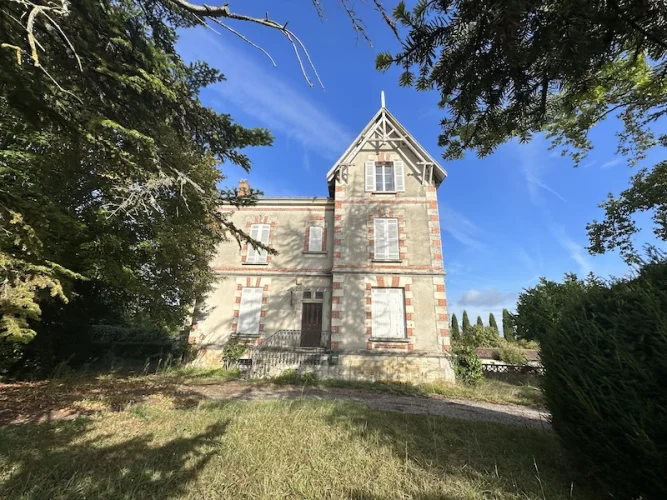
Indrukwekkend Bourgeoise huis met tuin en schuur, Saint Aulaye-Puymangou
Saint Aulaye-Puymangou · Nouvelle-Aquitaine · France

Te renoveren landhuis met Auvergnaatse schuur op 1,91 ha, Lupersat
Lupersat · Limousin · France

Stenen ensemble uit 1750 met drie bijgebouwen en 3 ha, Promilhanes
Promilhanes · Occitanie · France

Karaktervolle 17e-eeuwse herberg met schuur en zwembad, Gramat (Rignac)
Gramat (Rignac) · Occitanie · France

Twee te renoveren stenen huizen met schuren en bijgebouwen, Saint-Chabrais
Saint-Chabrais · Limousin · France

Moulin en molenaarswoning op privé-eilandje met 300m rivieroever - Finistère
Quimperlé · Bretagne · France

Gerenoveerde oude molen aan forellrivier met schuur en park
Creuse · Limousin · France

Real Estate Complex of 2 Stone Houses near Excideuil
Saint-Raphaël, Dordogne · Aquitaine · France

Ensemble of Stone Buildings with Pool near Sarlat
Salignac-Eyvigues, Dordogne · Aquitaine · France

Two Separate Houses Overlooking Medieval Village of Domme
Domme, Dordogne · Aquitaine · France

Stone Complex to Restore with Walnut Grove near Hautefort
Hautefort, Dordogne · Aquitaine · France

Two Stone Houses with Pool and Valley Views near Saint-Cyprien
Saint-Cyprien, Dordogne · Aquitaine · France

Medieval Town House with Two Independent Apartments - Les Arcs, Provence
Les Arcs, Var · Provence-Alpes-Côte d'Azur · France

Stone House with Independent Studio near Jumilhac-le-Grand
Saint-Priest-les-Fougères, Dordogne · Aquitaine · France

Beautifully Renovated Village House with Guest Accommodation and Barns
Saint-Paul-Lizonne, Dordogne · Aquitaine · France

Complex of 5 Houses, an Apartment, Small Camp Site and Swimming Pool
Saint-Connec · Brittany · France

Beautiful Stone Longère Divided into Three Dwellings, Studio and Campsite
Saint-Mayeux · Brittany · France

La Manche Spacious Renovated Family Home with Separate Annexe near Saint-Lô
Bourgvallées · Normandy · France

Bay of Mont Saint-Michel - 2 Houses, Outbuildings and Land near Ardevon
Ardevon · Normandy · France

Historic Schoolhouse with Two Apartments near 12th-Century Knights Templar Church - Merleac, Brittany
Merleac · Brittany · France

Beautiful Fully Renovated Mansion with Barn and Outbuilding - Corgnac-sur-l'Isle, Dordogne
Corgnac-sur-l'Isle · Aquitaine · France
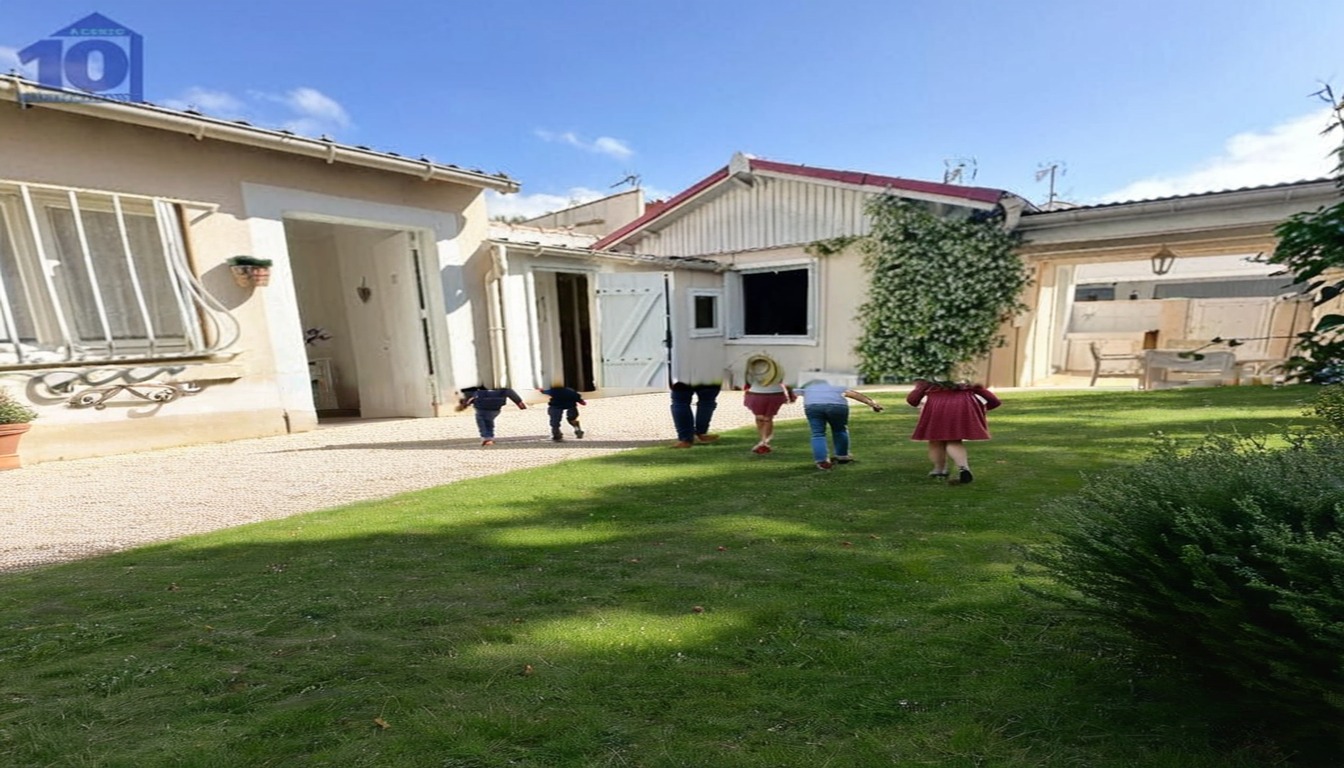
Maison de Pêcheur Pieds dans l'Eau - Valras Plage, Hérault
Valras Plage · Occitanie · France

Detached Stone Watermill with 400m² on 1.14ha - River Frontage
La Chaussée · Poitou-Charentes · France
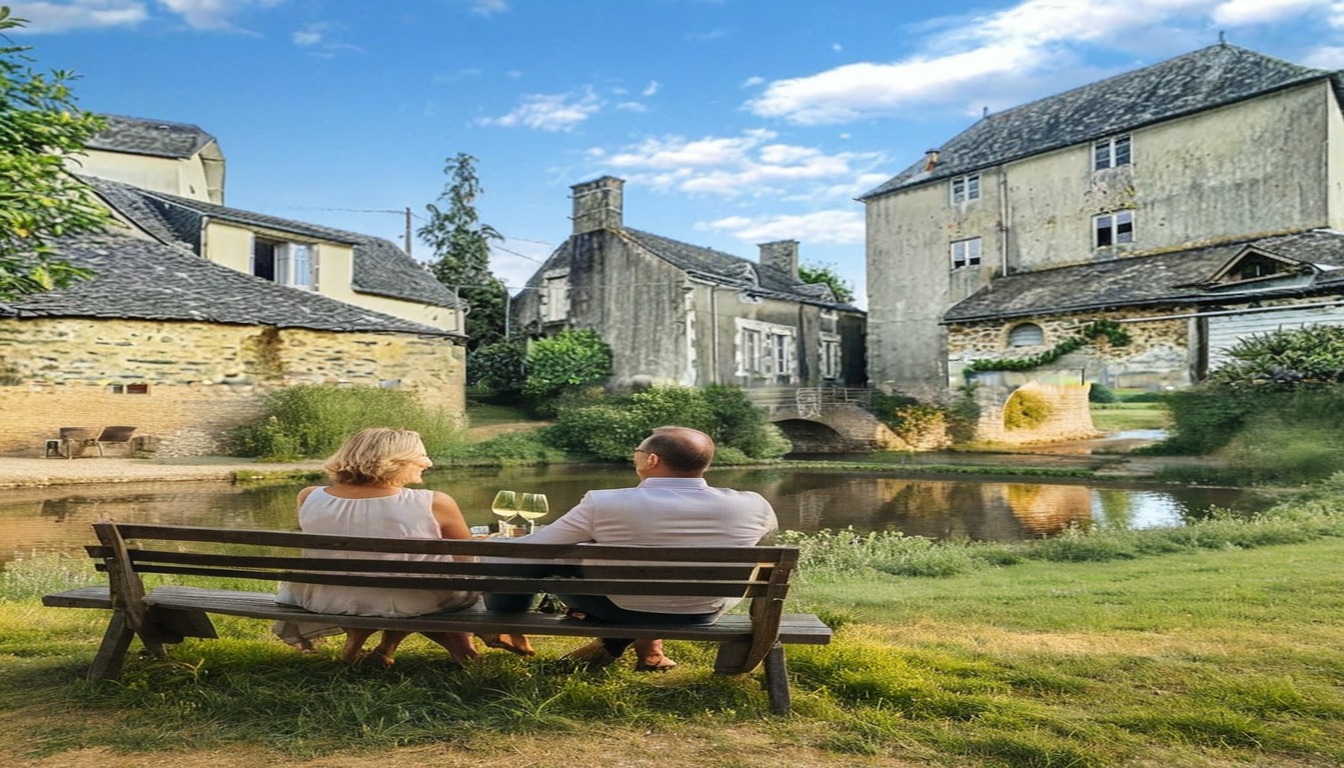
2 Huizen en Voormalige Molen te Renoveren op 2,4ha met Rivier en Molenbeek
Saint-Mars-du-Désert · Pays de la Loire · France

Voormalige Watermolen met Schuur, Vijver en Bijgebouwen op 8.665m² - Lot
Saint-Denis-Catus · Midi-Pyrénées · France

Stenen Molencomplex met 8 Slaapkamers en Beek op 1,44ha - Lot-et-Garonne
Monbalen · Aquitaine · France

Stenen Watermolen met Zwembad, Tuin en Hammam - Gers
Vic-Fezensac · Midi-Pyrénées · France
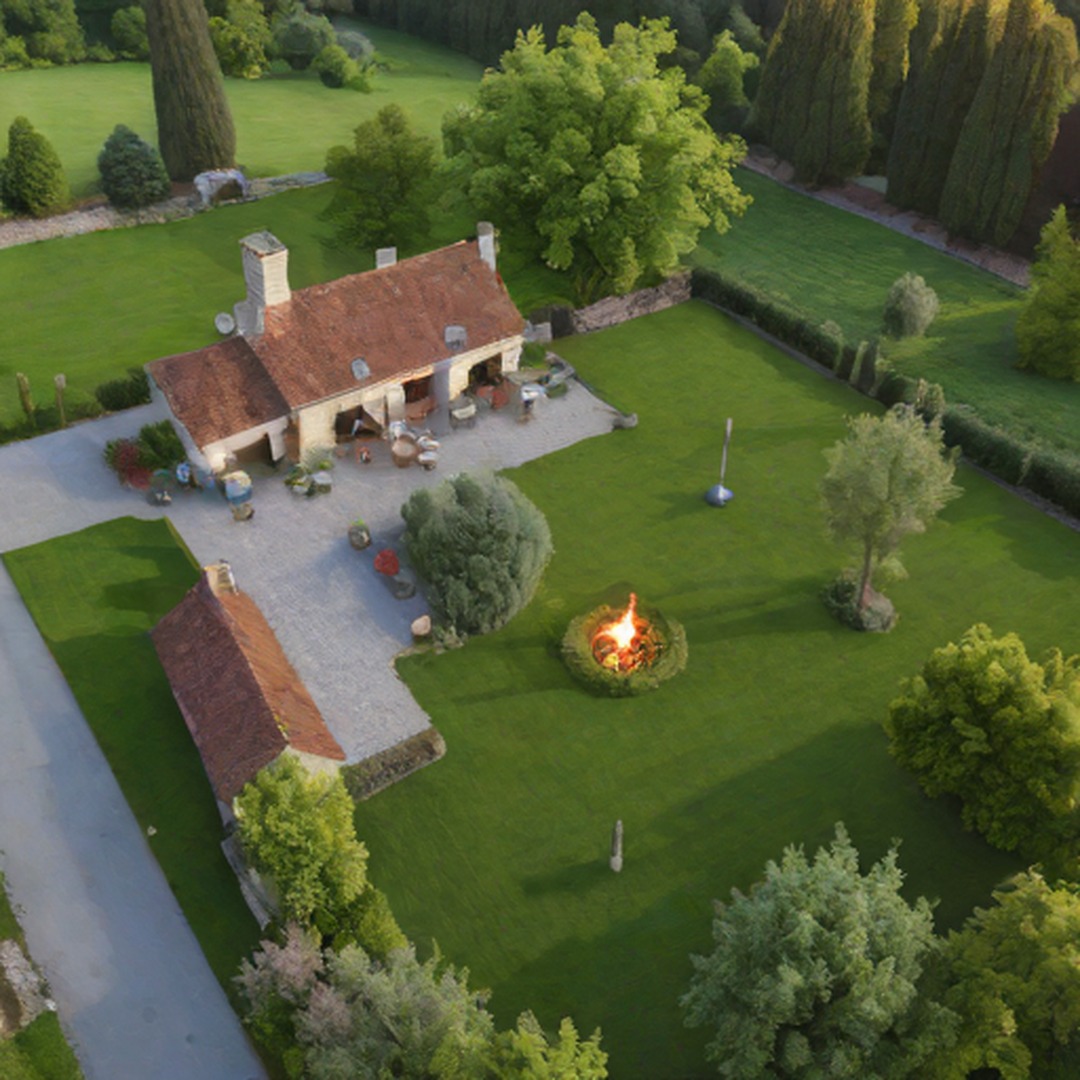
Magical Renovated 14th Century Relais De Poste
La Souterraine · Limousin · France
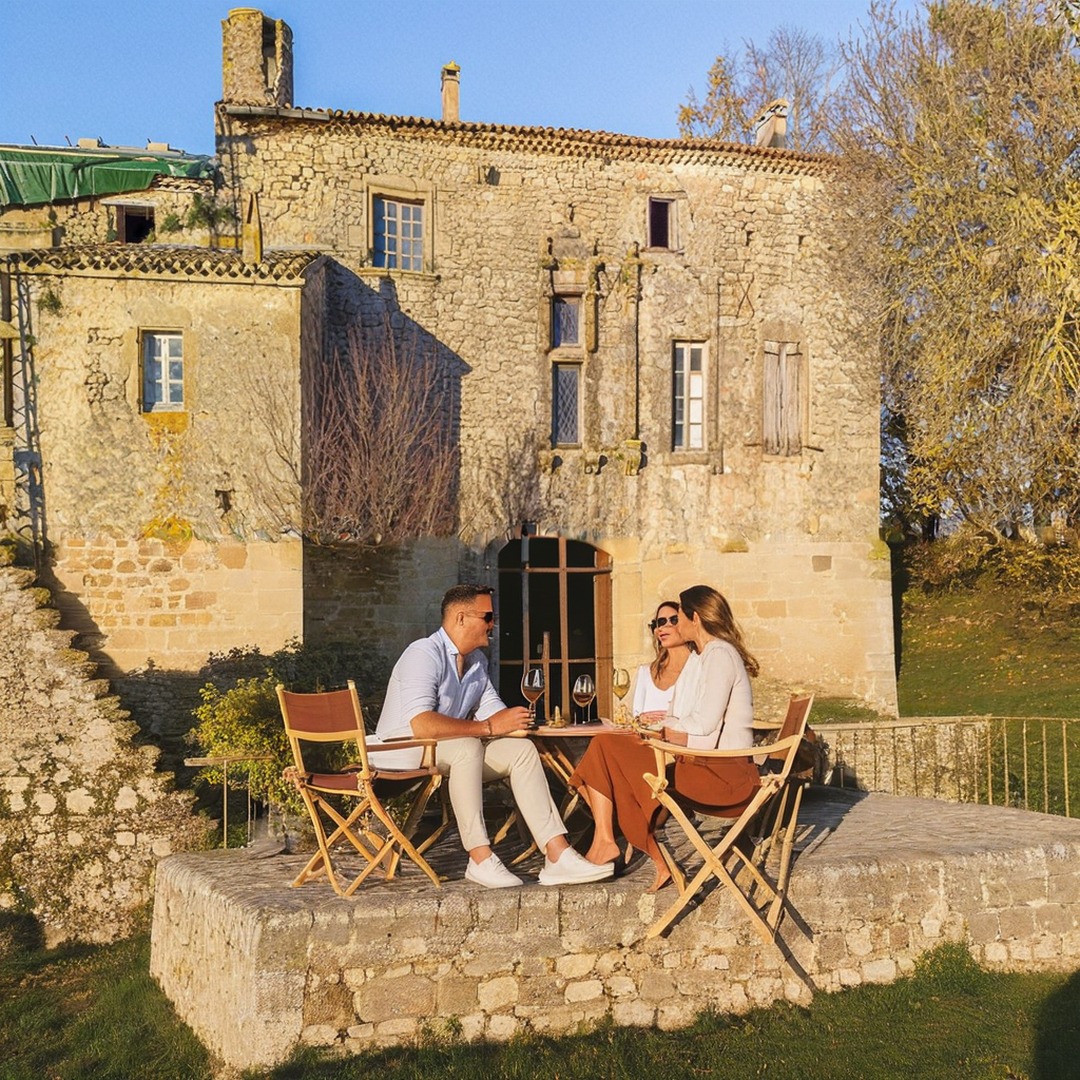
Beautiful Medieval Castle to Restore
Vaux · Midi-Pyrénées · France
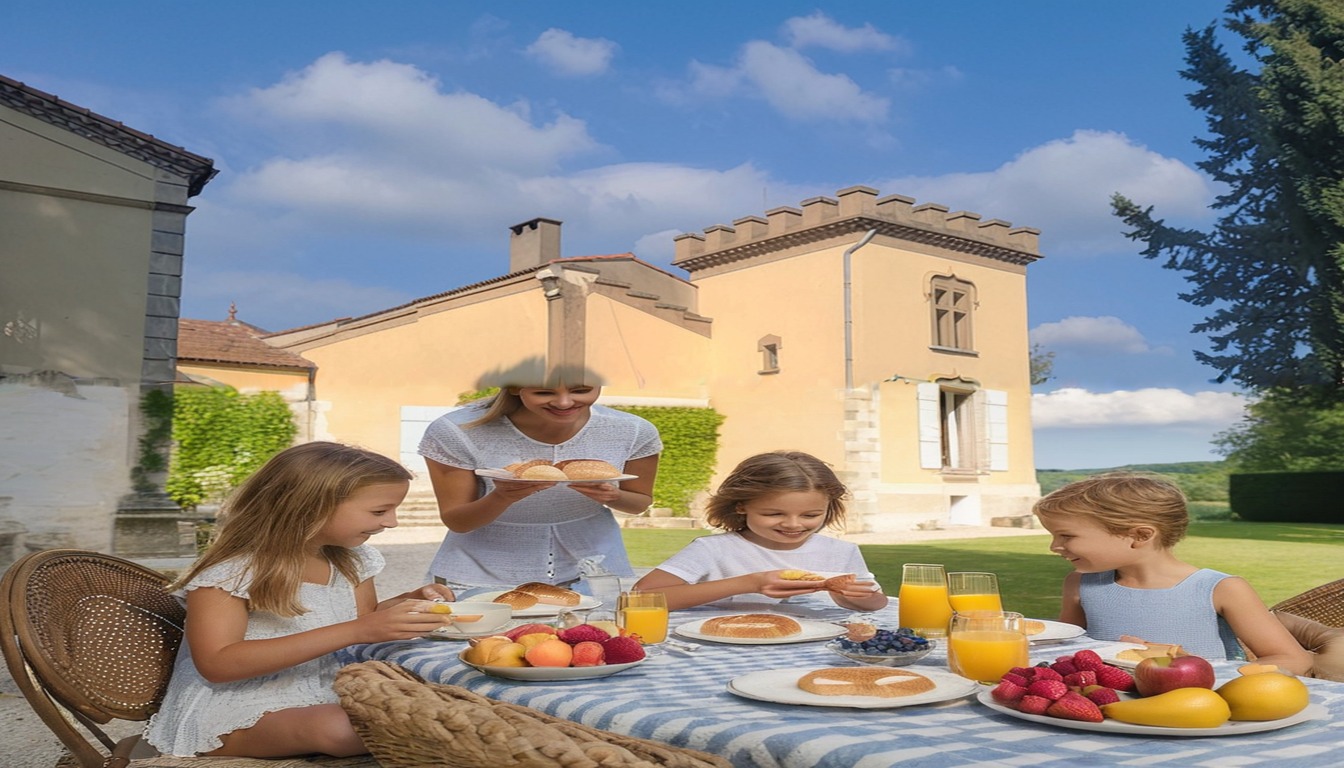
Beautiful Character Property with Tower - Wine Estate
Autignac · Languedoc-Roussillon · France
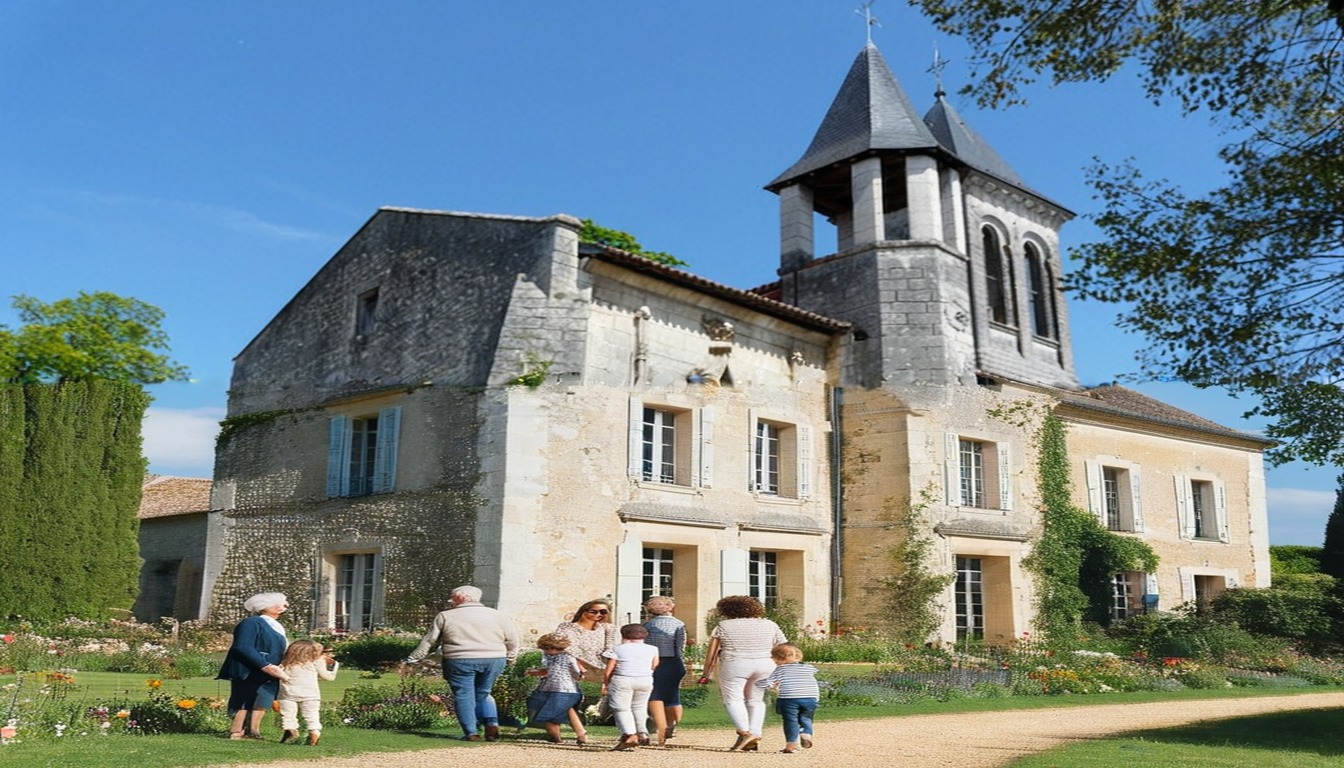
Property in the Heart of the Green Périgord
Champagnac-de-Belair · Aquitaine · France
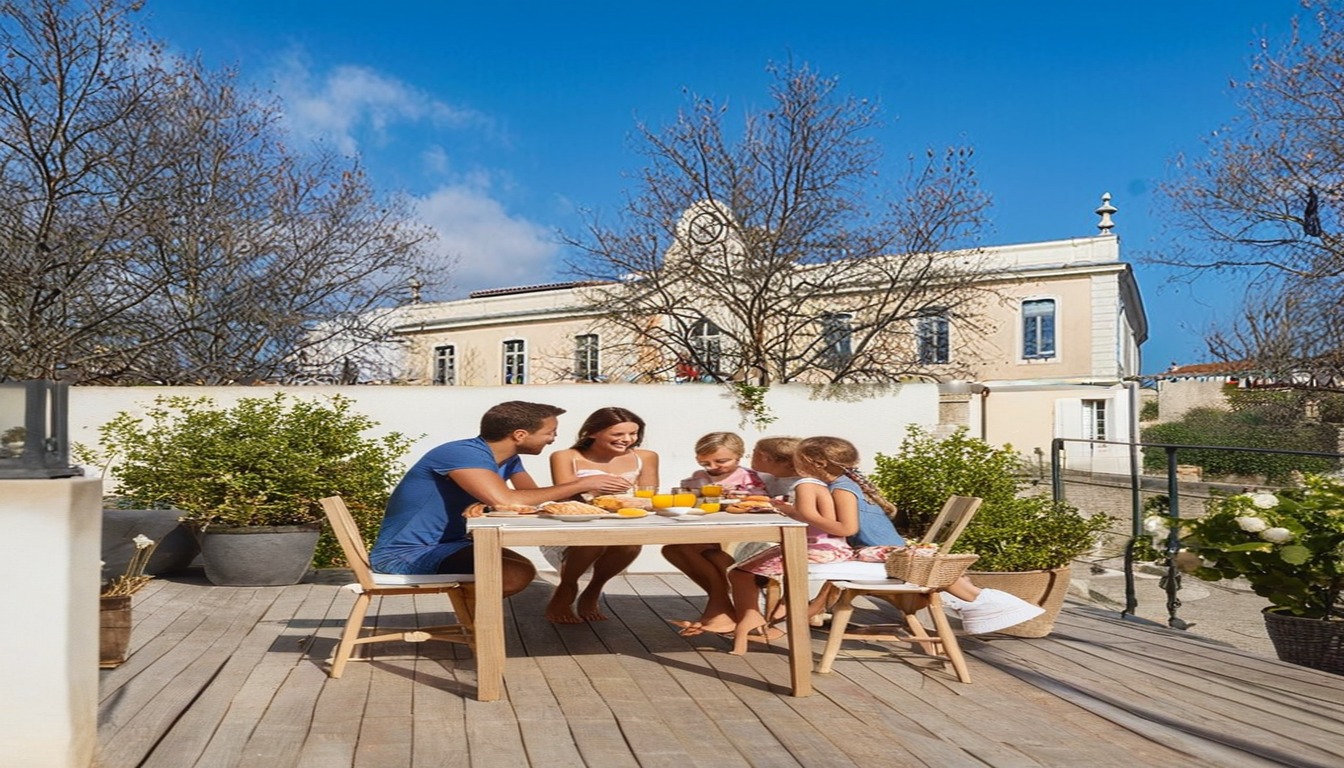
Bourgeois House 368 m² - 8 Bedrooms
Alès · Languedoc-Roussillon · France
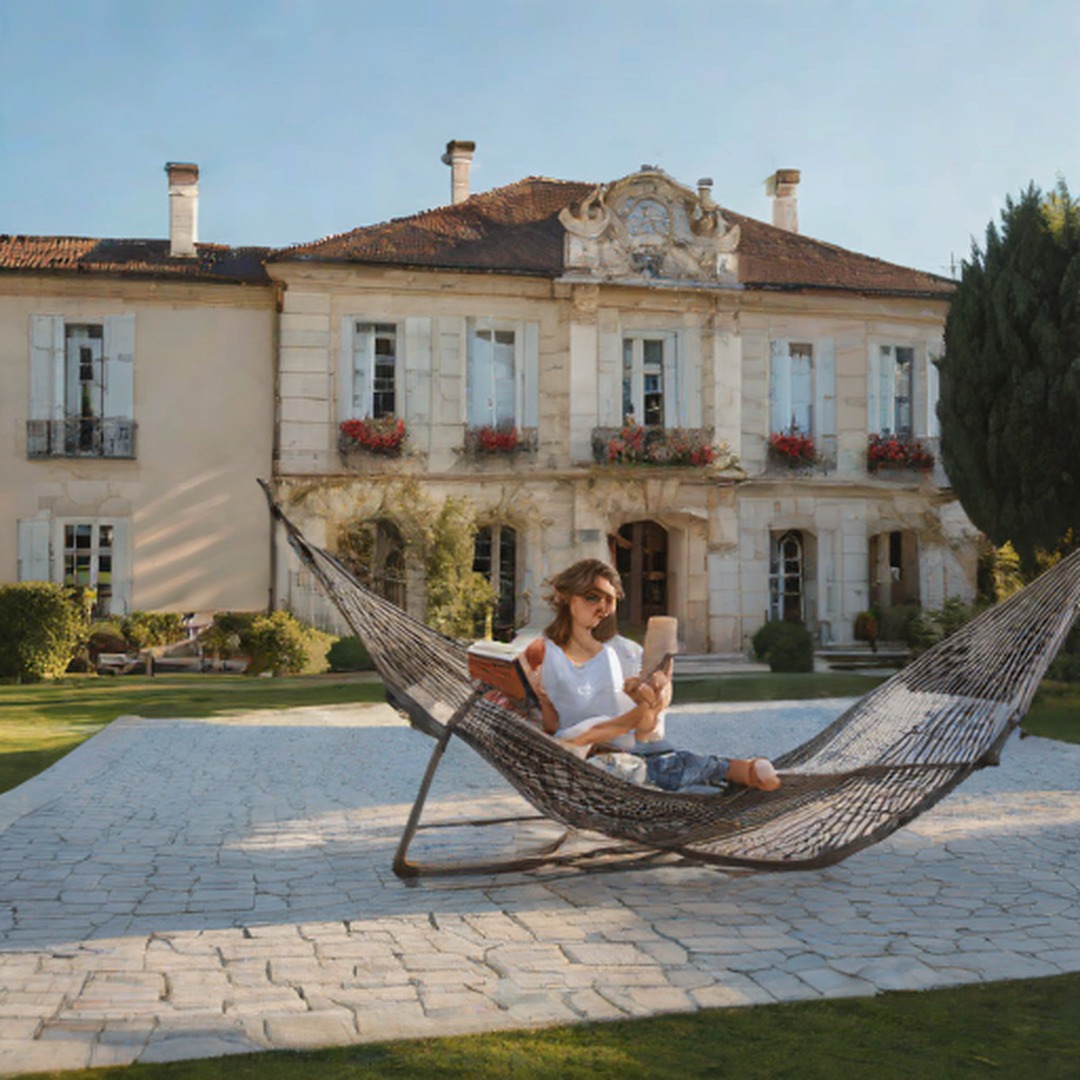
Character Stone House with Two Towers
Cazes-Mondenard · Midi-Pyrénées · France
16th Century Logis Property with 3 Round Towers
Ardilleux · Poitou-Charentes · France
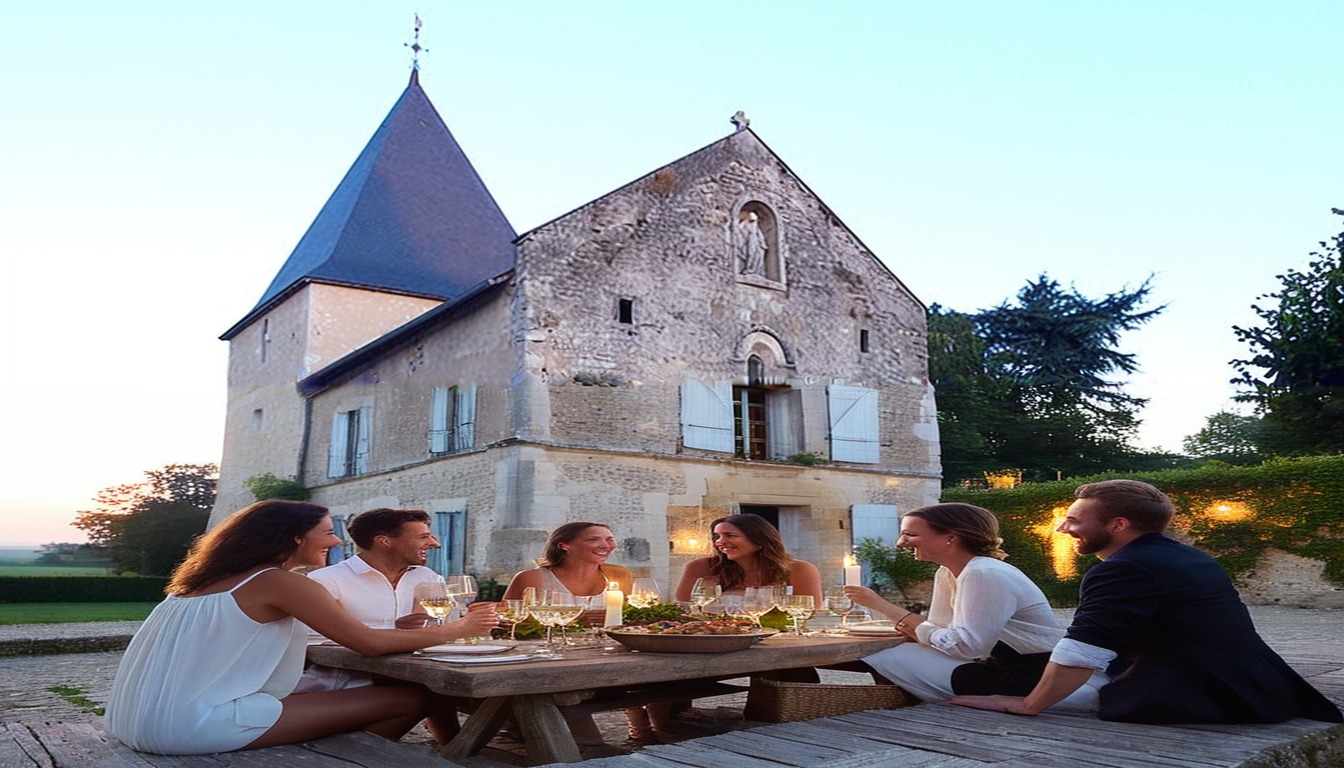
Perfect for B&B - 14th Century Property
Payroux · Poitou-Charentes · France
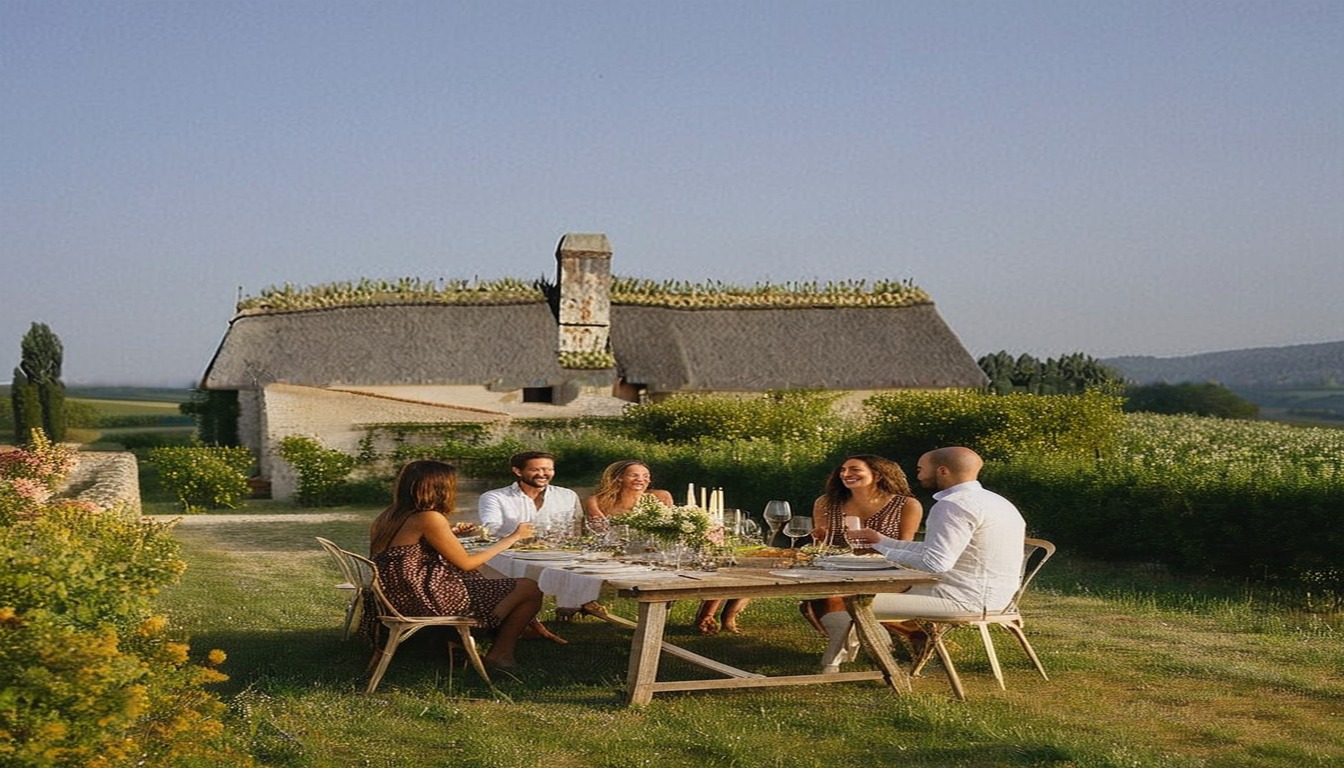
Detached Stone Property - 8 Bedrooms
Normandy · France
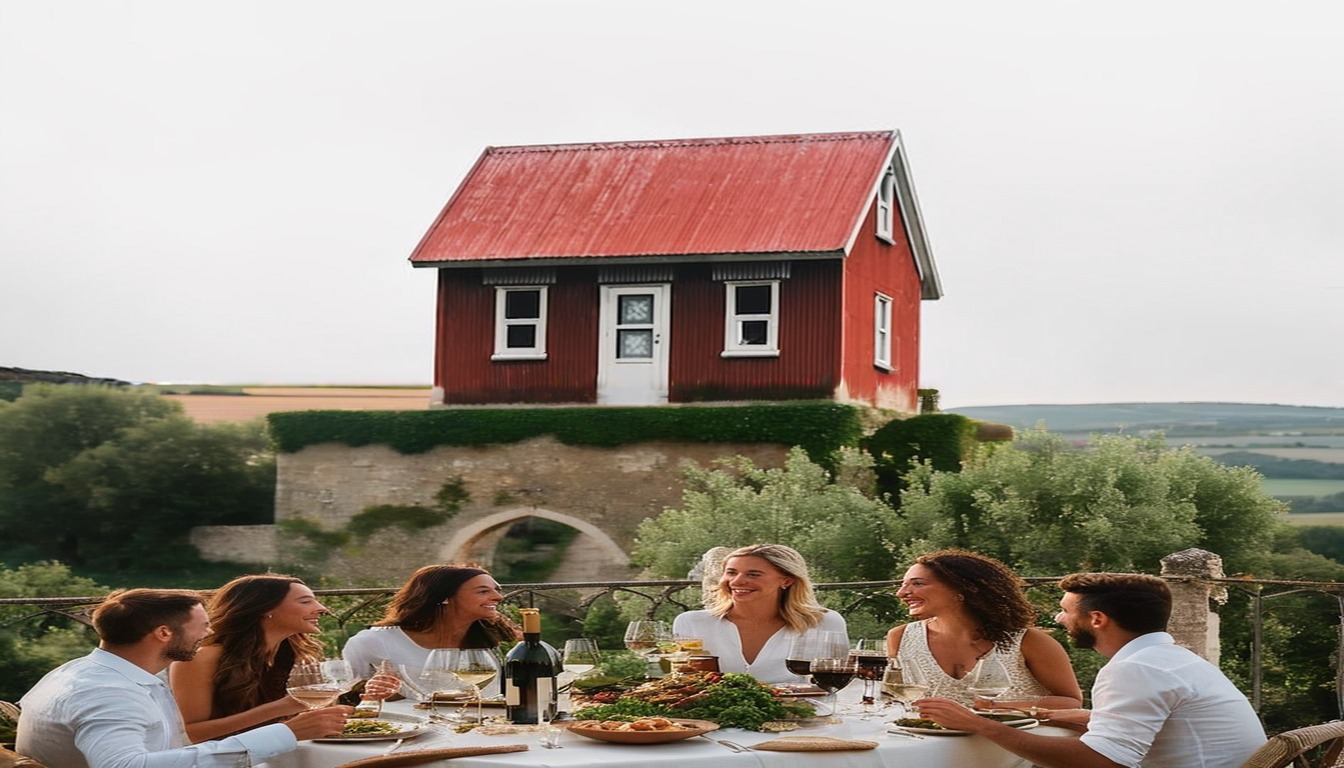
Character Castle Type Property - 240 m²
Sillans · Rhône-Alpes · France
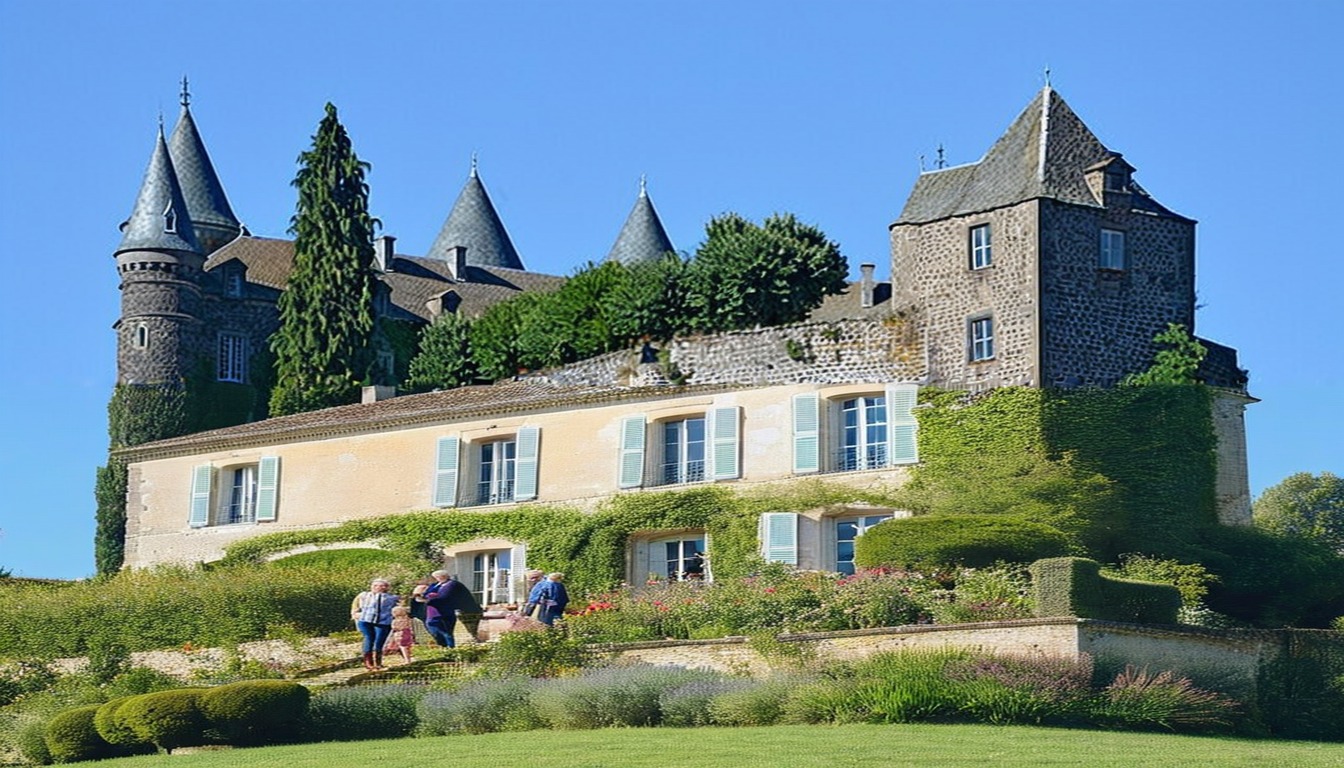
Spacious Charming House Below Château D'Andelat
Andelat · Auvergne · France
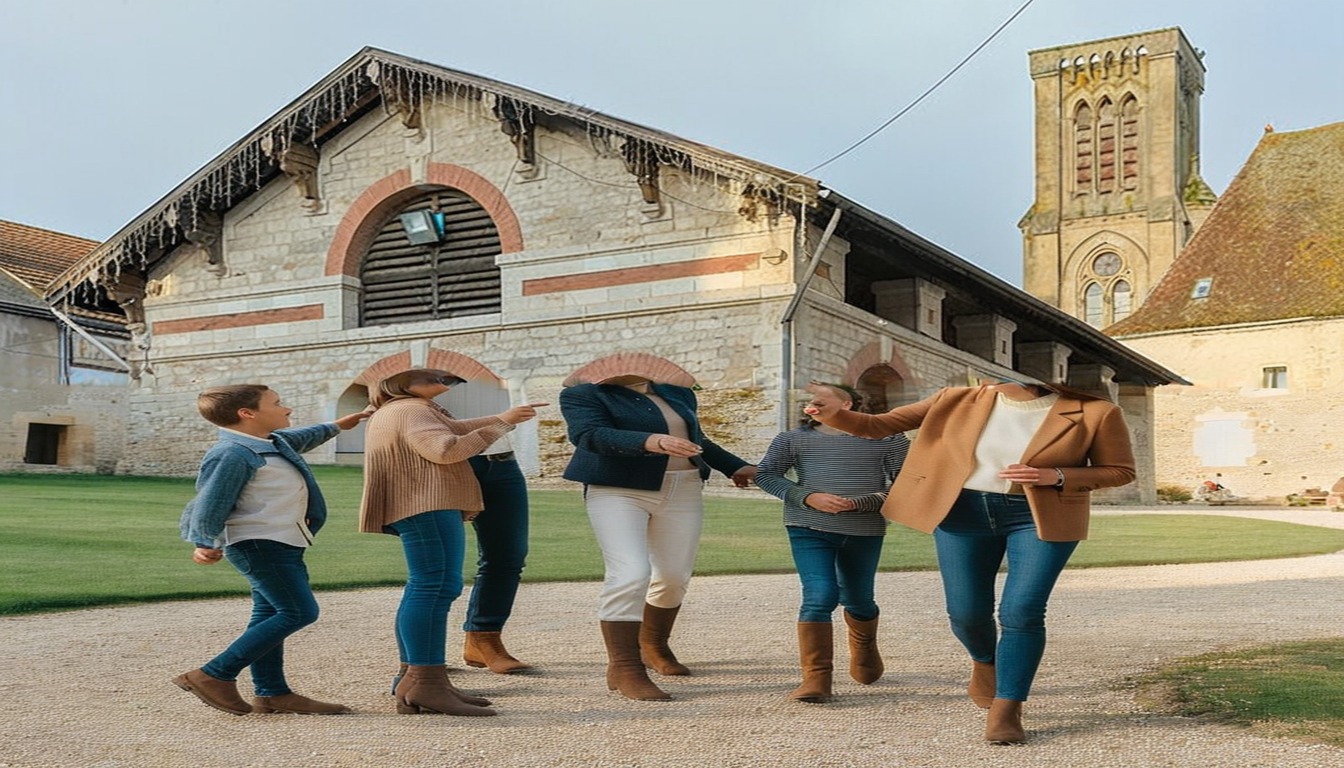
Farmhouse near Gramat - Authentic Quercy
Gramat · Midi-Pyrénées · France
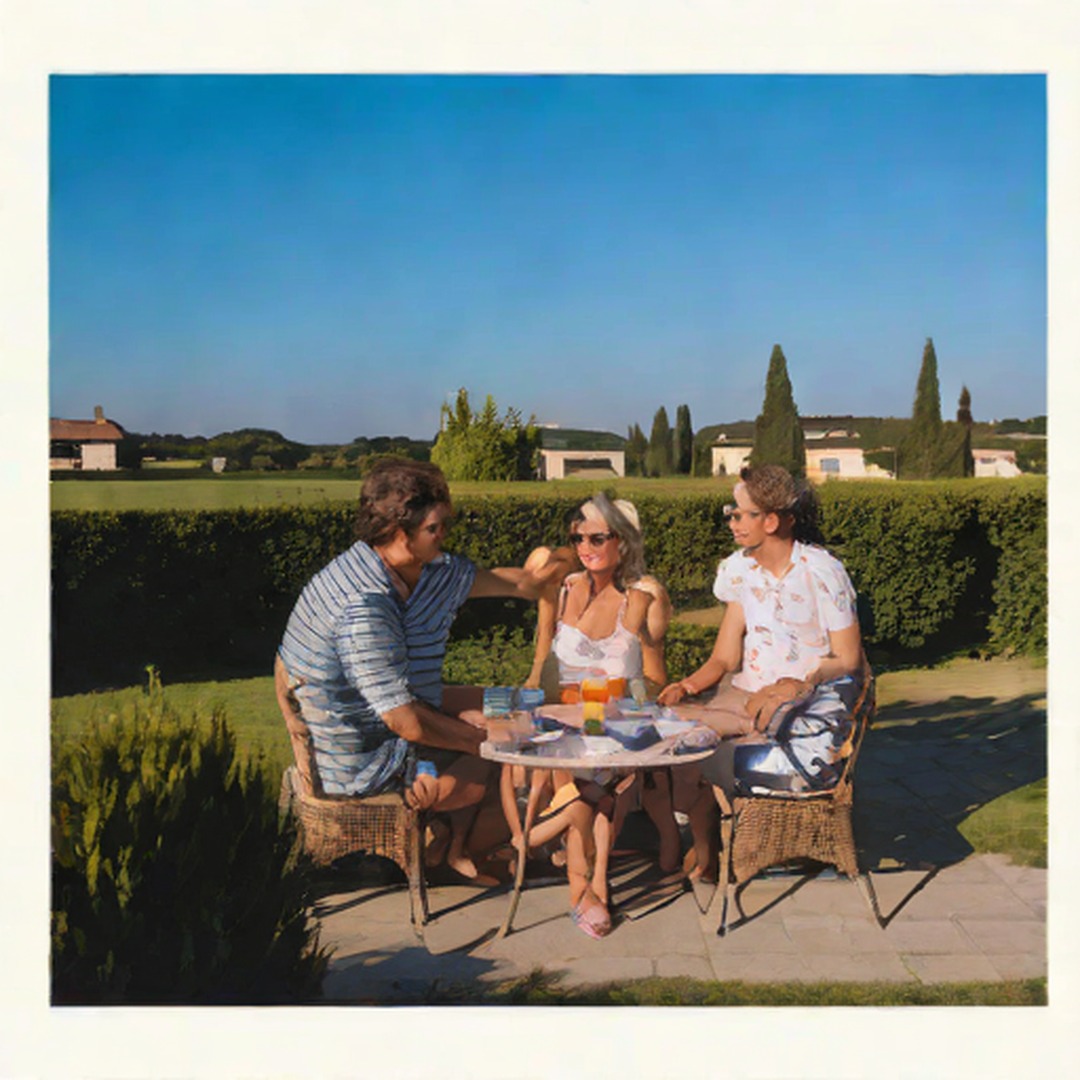
Exceptional 15th-Century Manor House in Cadours
Cadours · Midi-Pyrénées · France
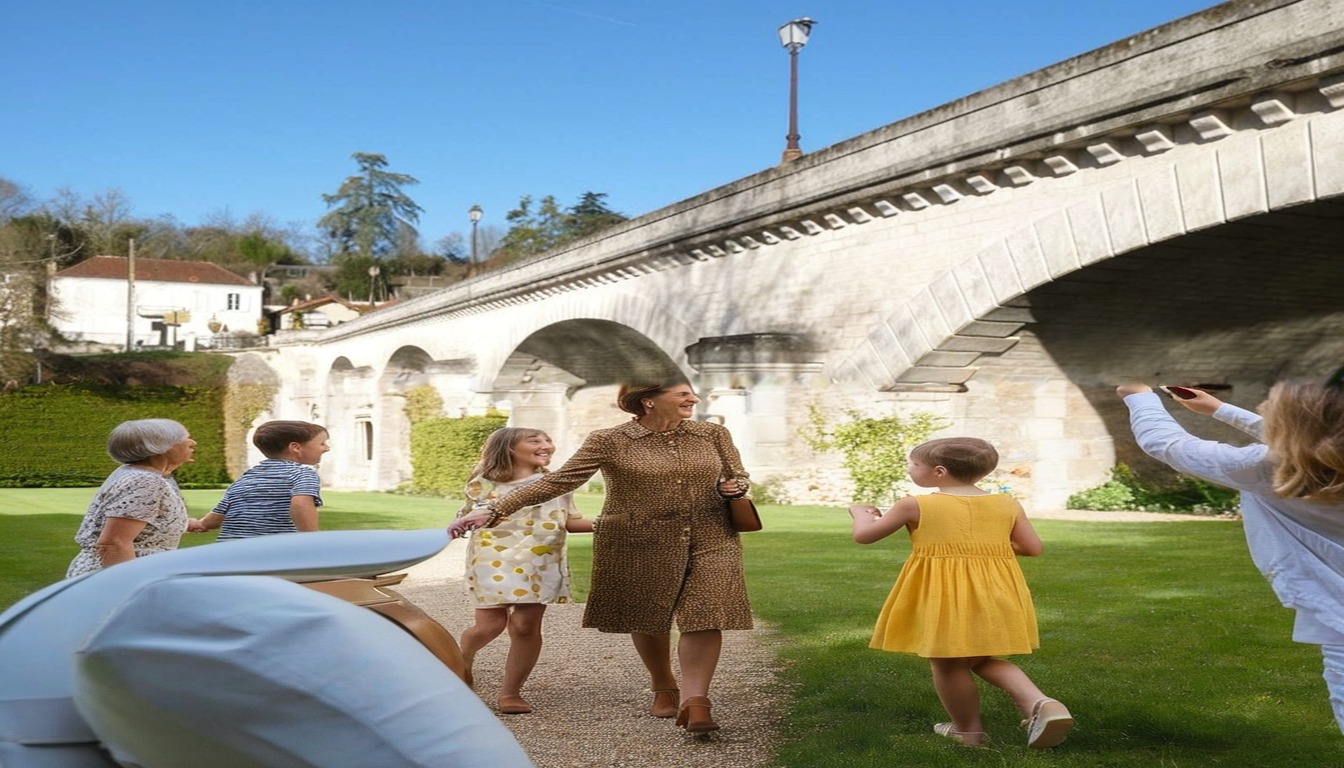
Charming French Manor with River Charente View
Luxé · Poitou-Charentes · France
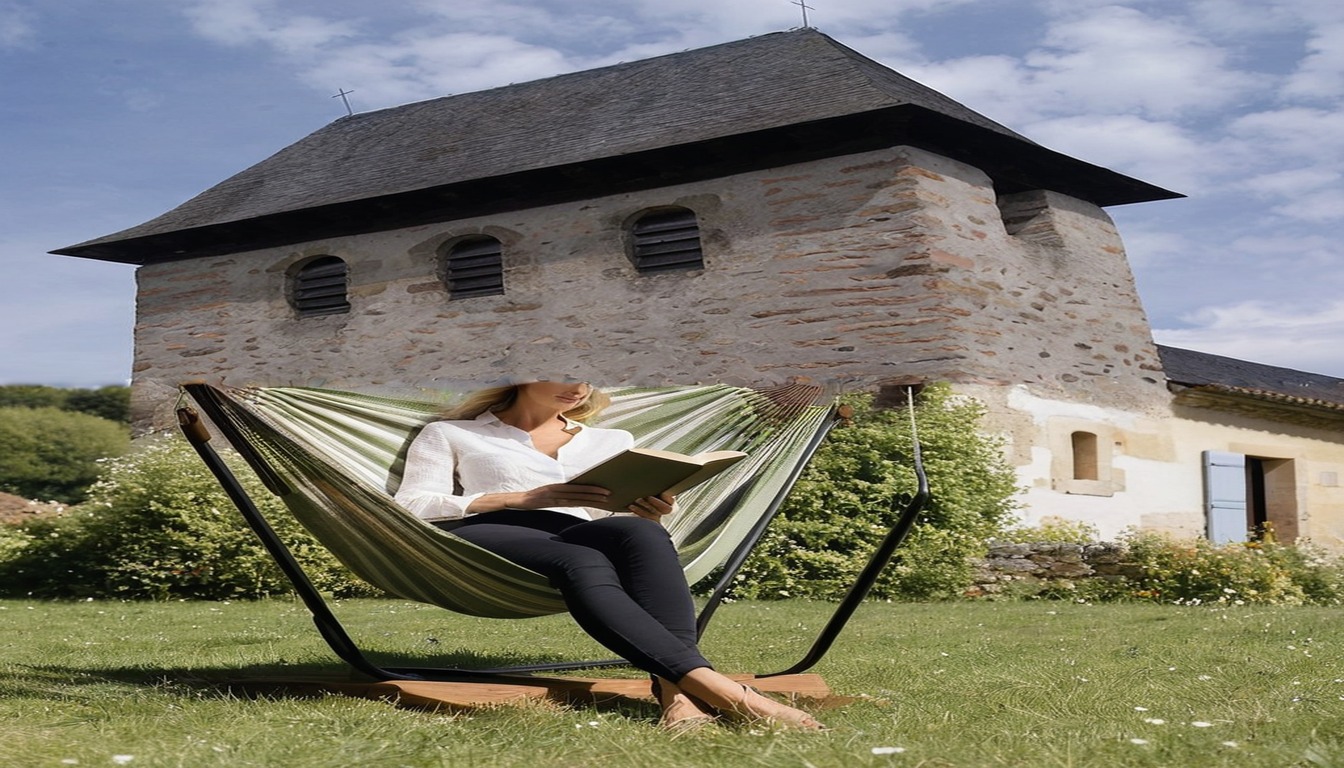
Character Estate with 22 Hectares and Outbuildings
Albussac · Limousin · France
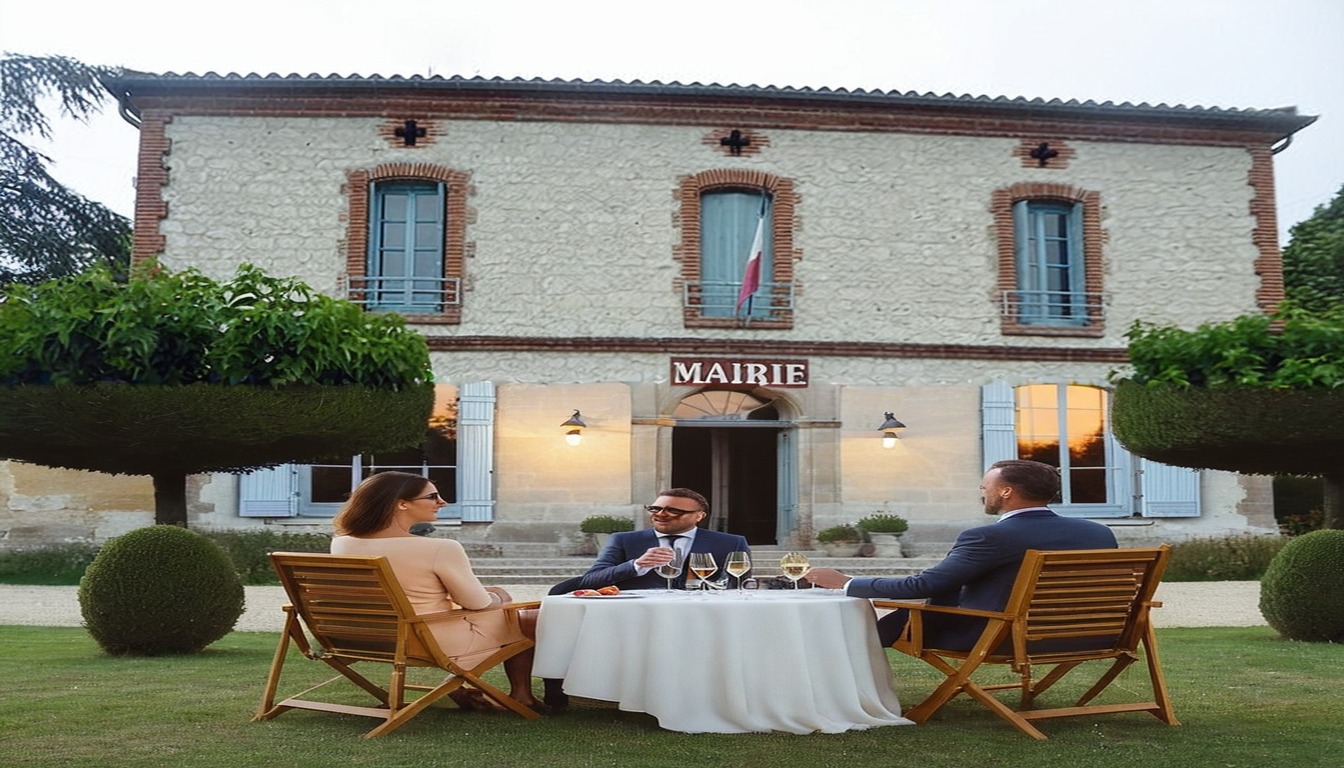
Magnificent Manor House with Separate Single-Storey House
Puycornet · Midi-Pyrénées · France
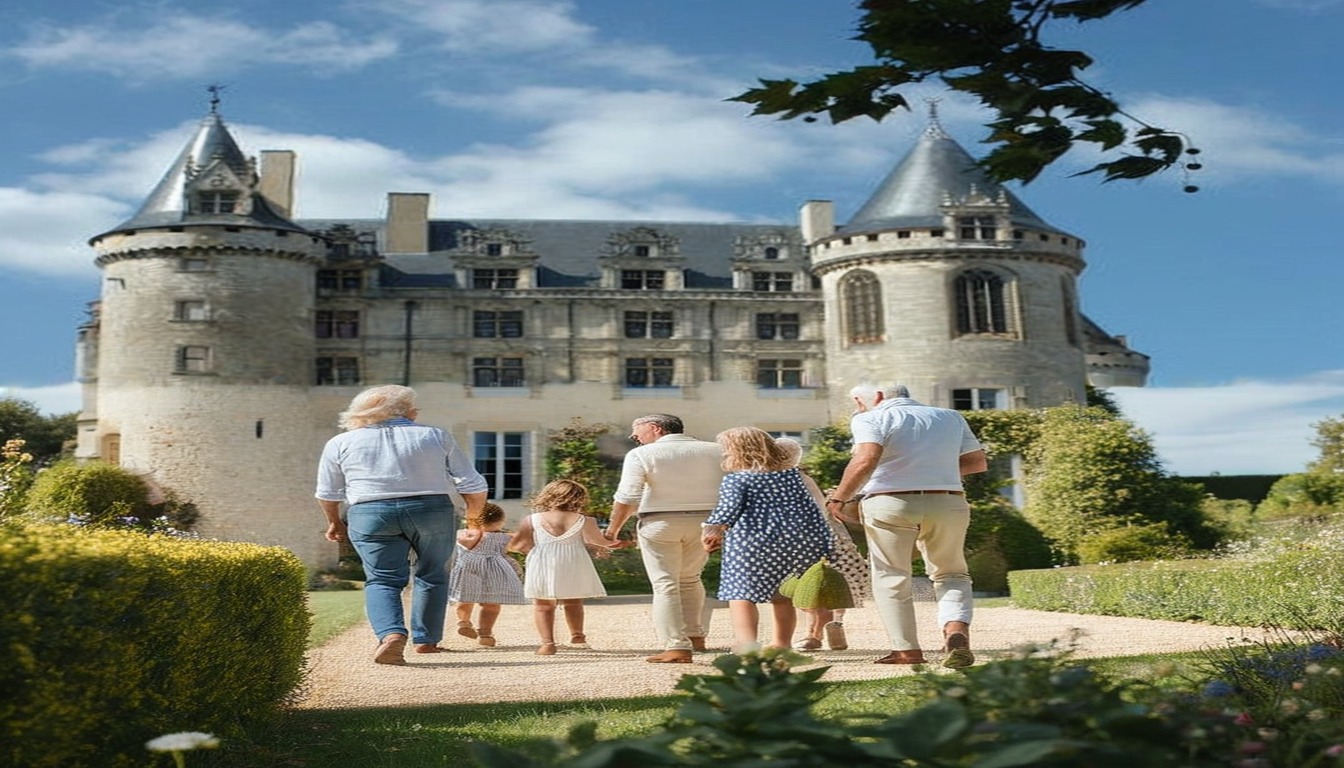
Edge of Village House with Two Gîtes - La Rochefoucauld
La Rochefoucauld · Poitou-Charentes · France
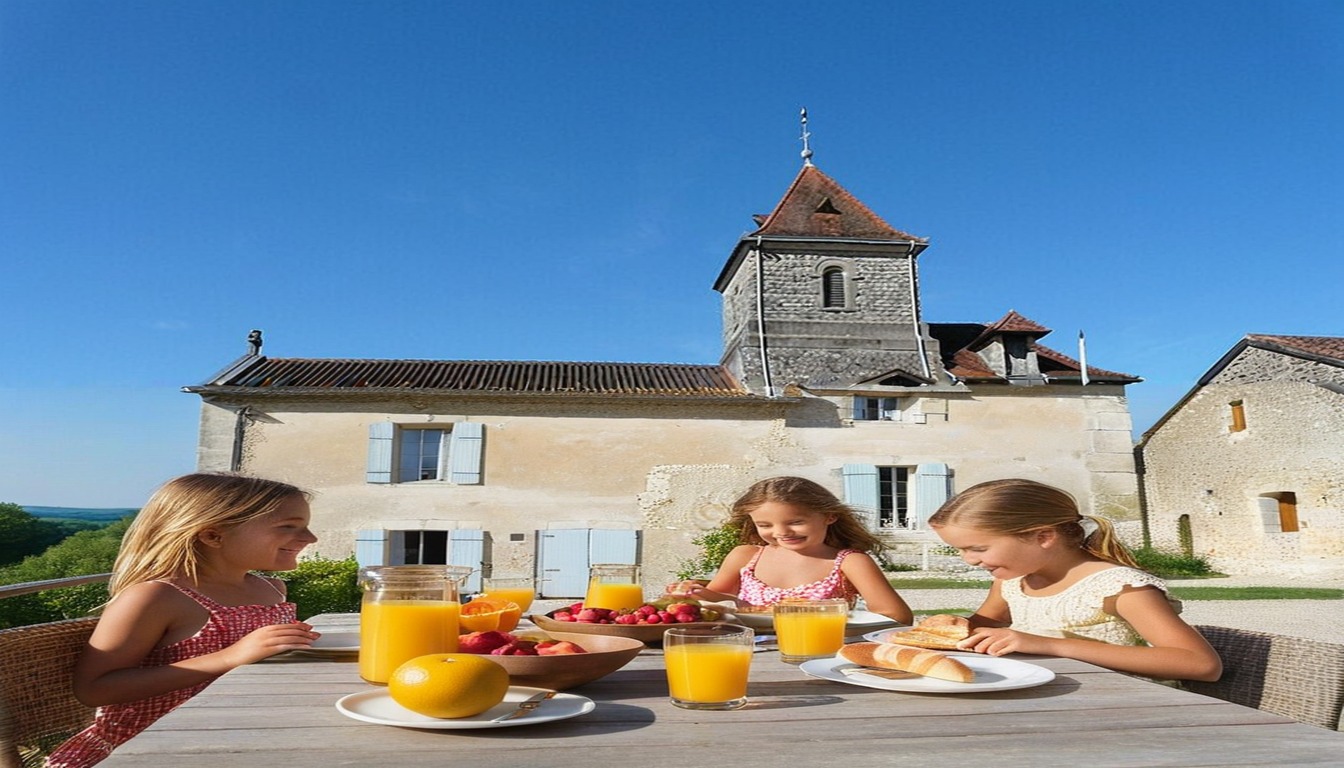
Enormous Character House - B&B / Hotel Potential
Chalais · Aquitaine · France
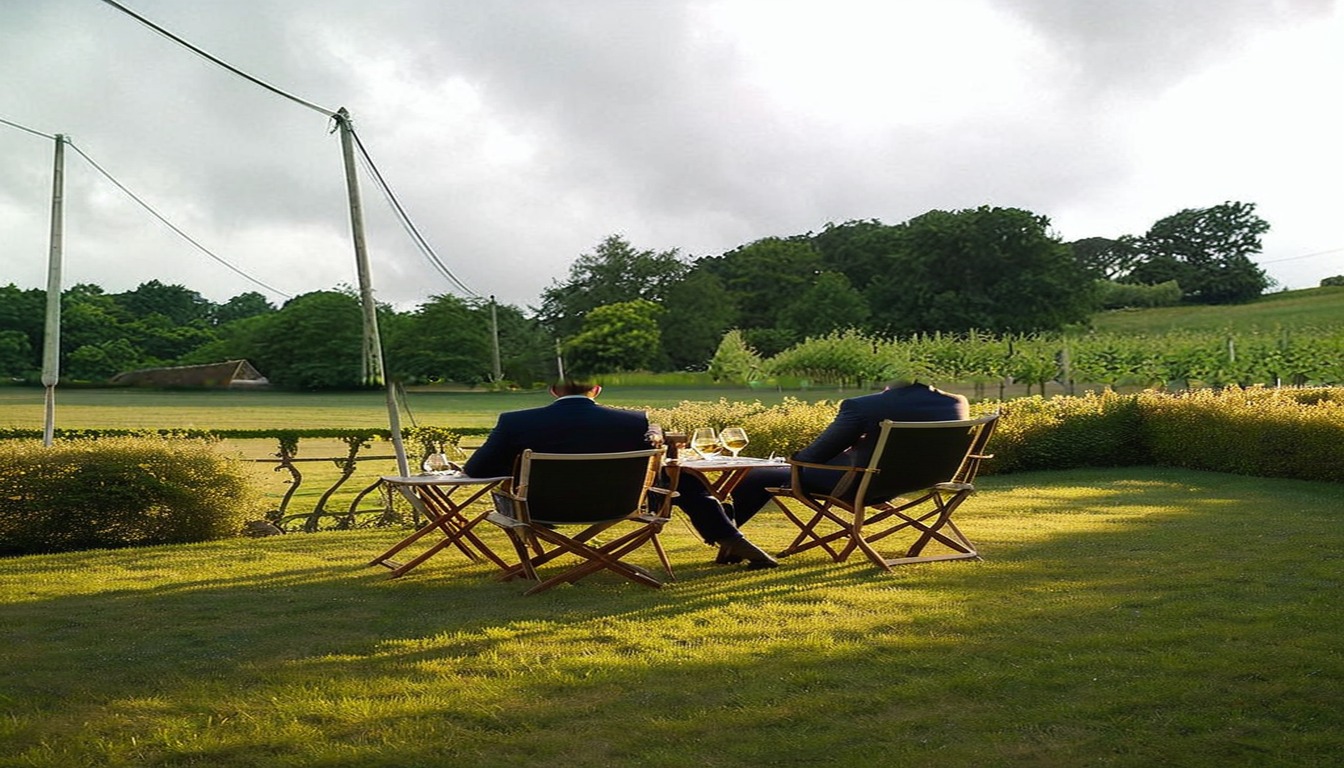
Elegant Manor House with Renovated Barn - Business Potential
Madiran · Midi-Pyrénées · France

Ideal for Nature Lovers and Tourism - Saillac
Saillac · Midi-Pyrénées · France
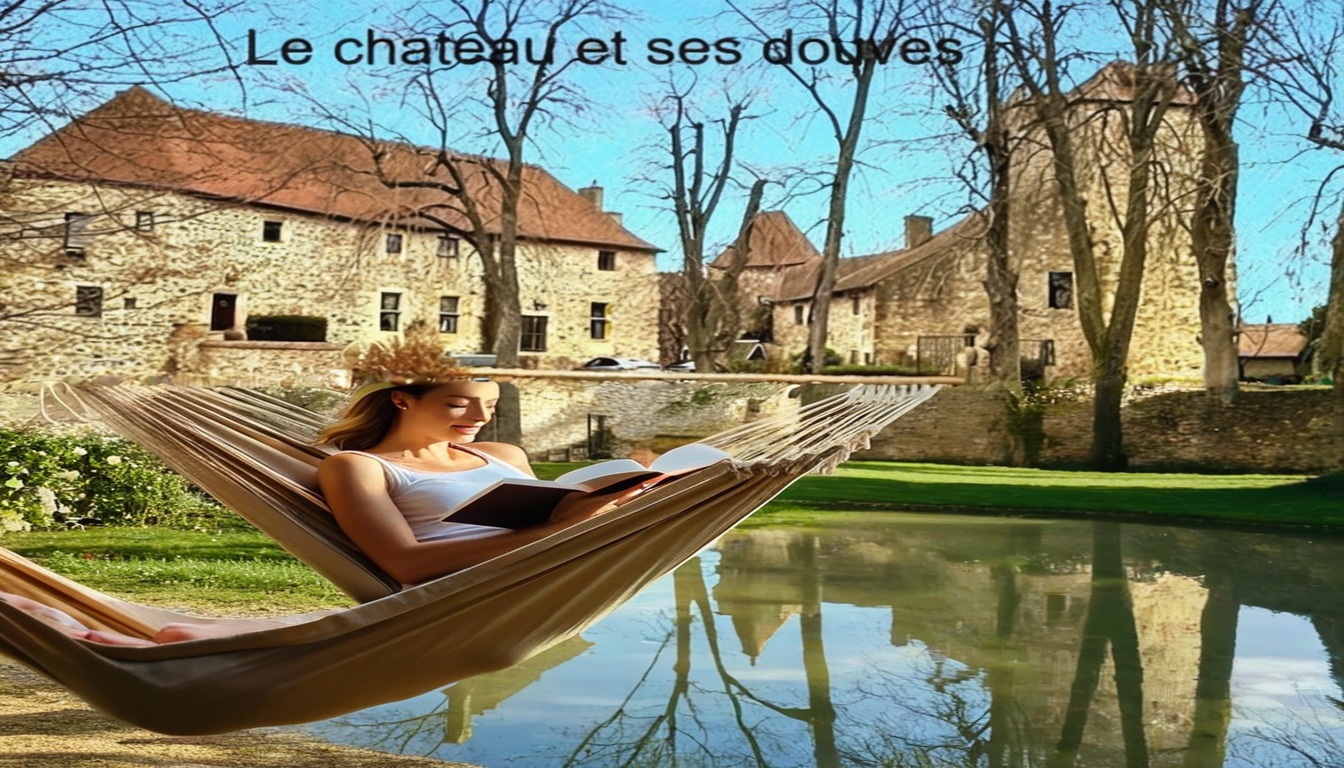
12th/16th Century Moated Castle with 6 Gîtes and 2 Swimming Pools
Bourbonnais (near Montluçon) · Auvergne · France
Browse our full collection of holiday homes in France for the latest listings including chateaux, manoirs, farmhouses, and village houses across all regions.
Frequently Asked Questions About Buying in France
Yes. There are no restrictions on foreign nationals buying property in France. Citizens from any country can purchase residential real estate, including holiday homes, without requiring residency or a visa. The buying process is identical for French and foreign buyers, though you will need a French bank account and should budget for translation of legal documents if you do not speak French.
Notaire fees (frais de notaire) for existing properties in France total approximately 7-8% of the purchase price. This includes the notaire's own fee (about 1%), plus various taxes and duties paid to the state. For new-build properties, the fees are lower at around 2-3%. These fees are always paid by the buyer and are due at the time of signing the final deed (acte de vente).
After signing the compromis de vente (preliminary sales contract), French law grants the buyer a 10-day cooling-off period (delai de retractation). During these 10 days, the buyer can withdraw from the purchase for any reason without penalty and receive a full refund of any deposit paid. This right cannot be waived. The cooling-off period starts the day after the buyer receives the signed compromis by registered letter.
An SCI (Societe Civile Immobiliere) is a French civil property company commonly used for co-ownership. It is ideal when buying with friends or family because it allows flexible share distribution, avoids the rigid French inheritance rules (which mandate that children inherit a fixed portion), and simplifies future sale of individual shares. Setting up an SCI costs around EUR 1,500-3,000 and requires annual accounts. It is especially recommended for co-ownership arrangements with non-family members.
Annual running costs for a French holiday home typically include taxe fonciere (property tax, EUR 800-3,000 depending on size and location), home insurance (EUR 300-800), utilities (EUR 1,200-2,500 if used part-time), and general maintenance. For a mid-range property worth EUR 200,000, expect total annual costs of EUR 3,000-6,000. Taxe d'habitation has been abolished for primary residences but still applies to second homes (residences secondaires).